
Last updated October 17, 2026
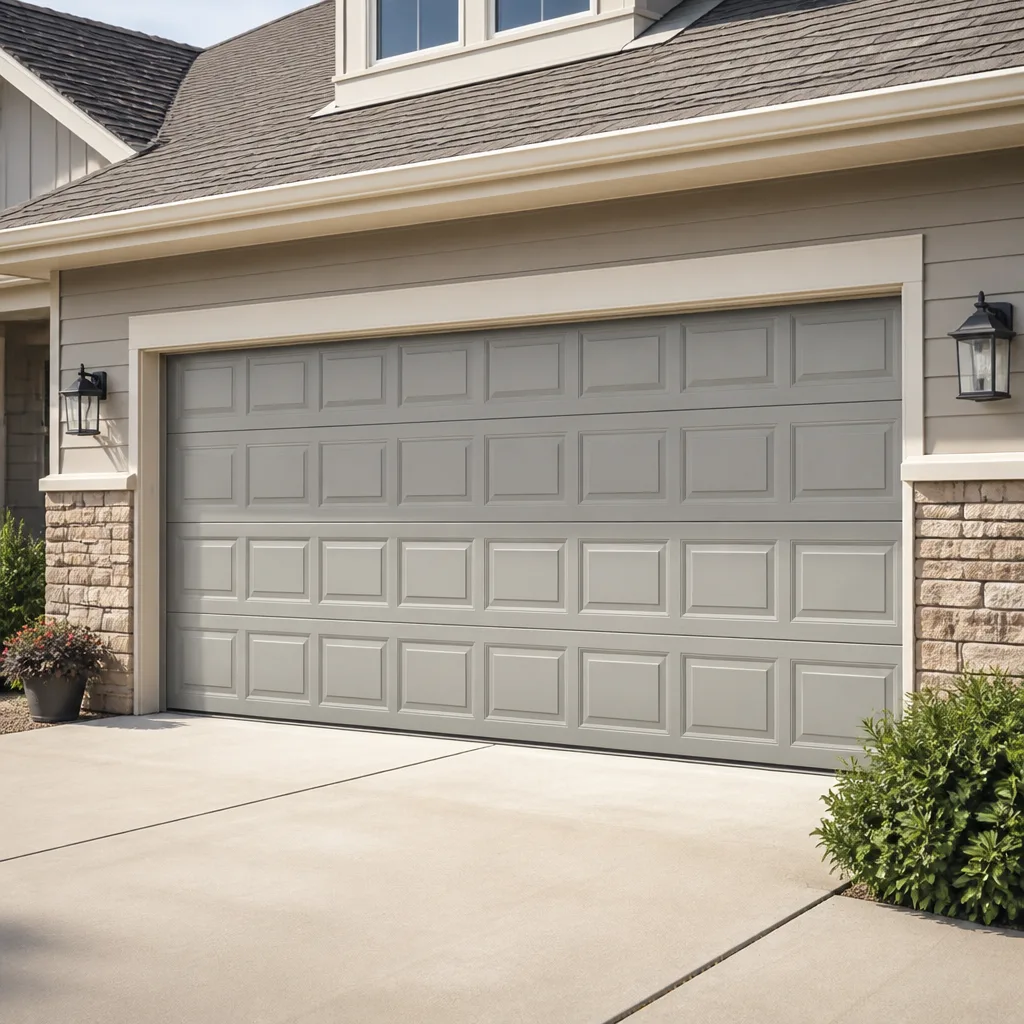 Raised-panel steel
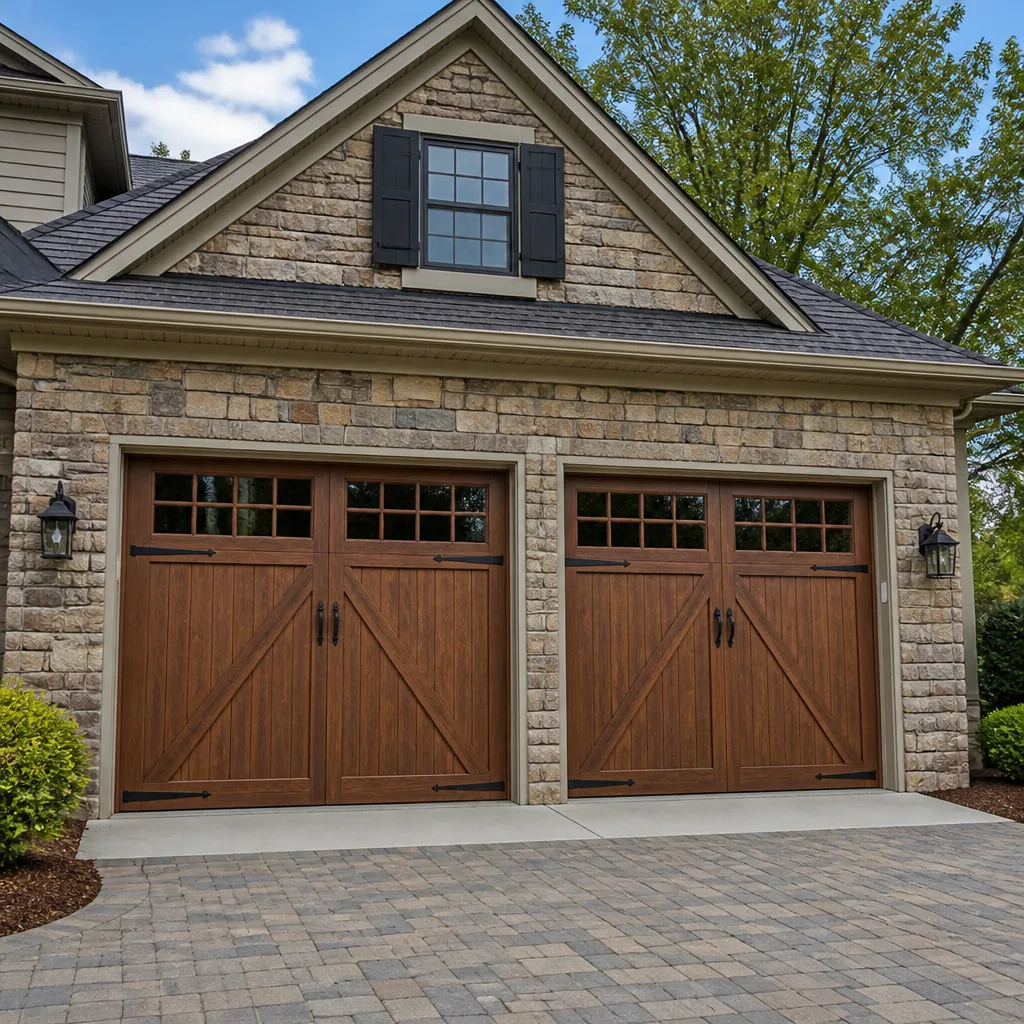 Carriage house
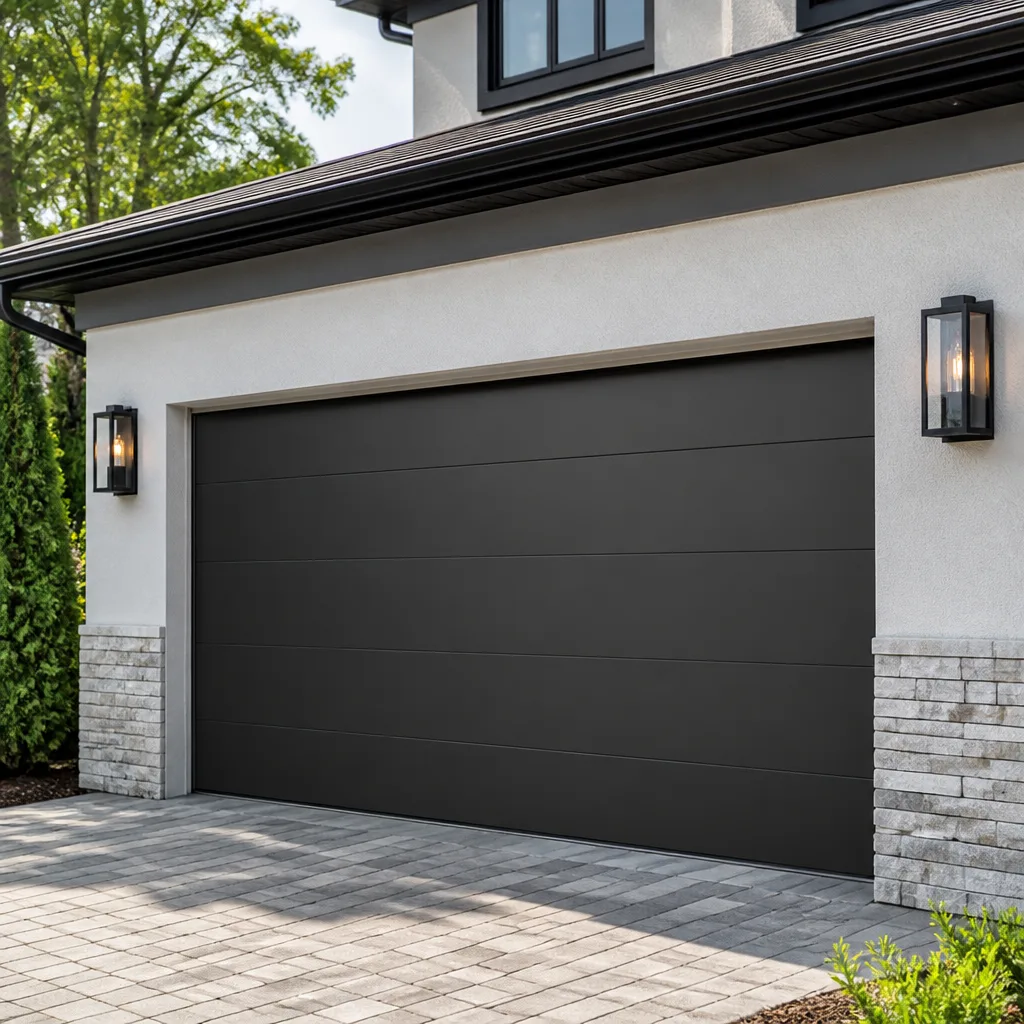 Modern flush
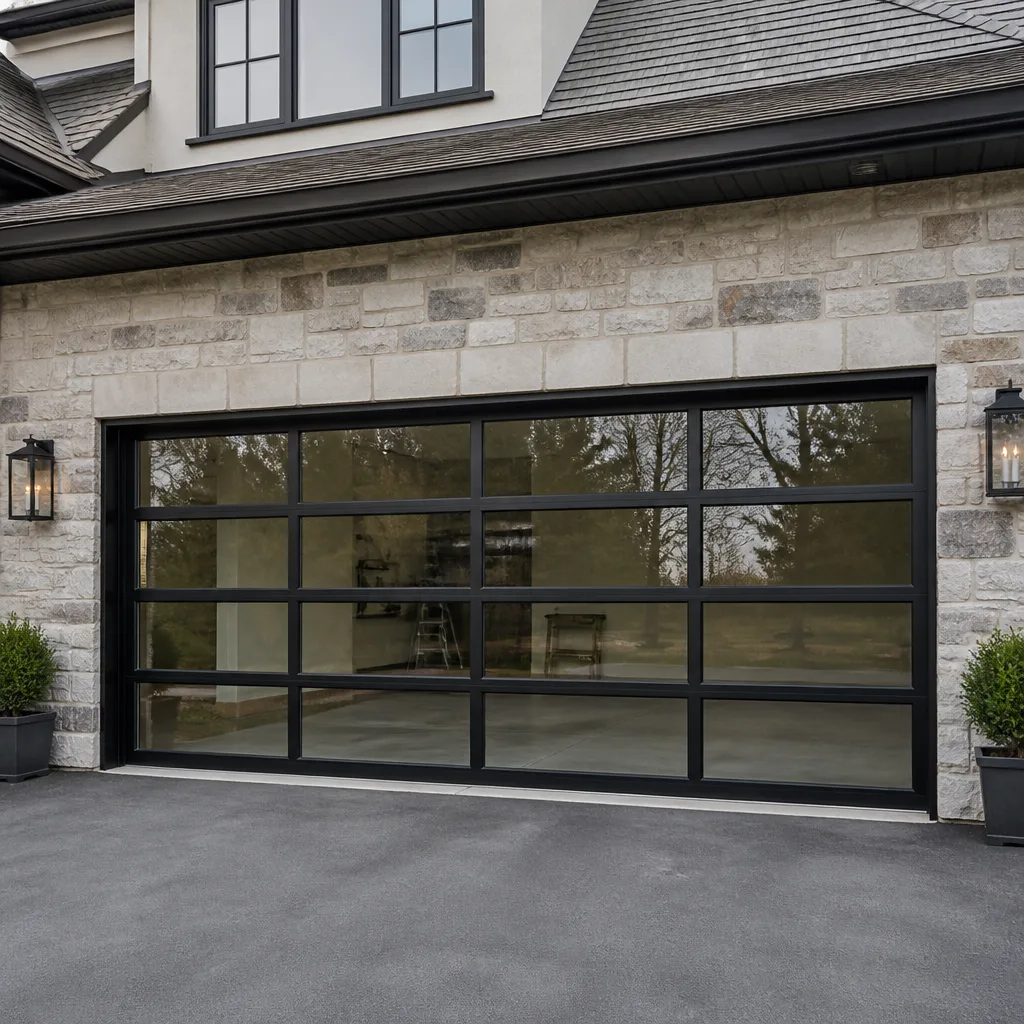 Full-view glass
 LiftMaster openers
 Chamberlain openers
Full 25-point door and opener safety check with every visit - springs, cables, rollers, tracks, and your LiftMaster or Chamberlain opener included
You get a price before we start. It does not change when the truck arrives.
Get your free estimateGarage Door Repair Maintenance Checklist for Henderson Homeowners
Henderson’s summer ground temperature can exceed 160°F, and the concrete in front of most garage doors transfers that heat directly into the bottom weatherstrip. In our experience, that’s why Henderson homeowners replace that seal roughly twice as often as homeowners in Phoenix, where the soil composition and driveway angles differ. This guide is built from what actually fails first in Henderson’s heat, dust, and UV cycle, not from a generic manufacturer PDF. You’ll get a twice-yearly checklist that costs under $40 in materials and prevents the two repairs we see most in Henderson: broken torsion springs and seized rollers.
Styles & brands we work with
Quick Answer
A garage door maintenance checklist for Henderson homeowners means inspecting and lubricating the door twice a year, with extra attention in October and May, when Henderson’s temperature swings stress metal parts the most. The full routine takes about 45 minutes, costs under $40 in supplies, and prevents the two most common Henderson repairs: broken springs and seized rollers. The most important single step is testing the spring balance using the manual disconnect: a door that drifts 3 to 4 inches and holds is fine, but a door that drops 12 inches or more signals a weakening spring that needs professional attention.
Table of Contents
- Why Henderson’s Climate Breaks Garage Doors Differently
- The Twelve-Step Henderson Maintenance Checklist
- Henderson’s Month-by-Month Maintenance Calendar
- How to Test Spring Balance Safely
- Which Lubricants Survive Henderson Heat
- The Visual Inspection Sequence for Cables
- Weatherstrip, Seals, and Henderson’s UV Problem
- The Printable Maintenance Log That Protects Your Warranty
- Common Mistakes to Avoid
- When to Call a Professional
- Frequently Asked Questions
- The Bottom Line
Why Henderson’s Climate Breaks Garage Doors Differently
Henderson sits in a high-desert basin where three forces work against your garage door: extreme heat, abrasive dust, and intense UV exposure. The Mojave Desert’s summer temperatures regularly push asphalt and concrete surfaces well past 150°F, and that heat radiates upward into the lowest portions of your door for hours after sunset. A door that faces west in neighborhoods like Green Valley Ranch or Anthem takes the worst of the afternoon sun, which accelerates the breakdown of nylon rollers and rubber seals. Meanwhile, Henderson’s fine alkaline dust works its way into chain drives, hinge pins, and bearing plates, creating a grinding paste that wears down metal surfaces even when the door appears to run smoothly.
Most maintenance checklists circulating online are copied from manufacturer PDFs written for moderate climates in the Midwest or Pacific Northwest. Those checklists assume four seasons, moderate humidity, and temperatures that rarely test a spring’s metal fatigue threshold. Henderson does not work that way. A torsion spring in Henderson endures extreme temperature swings from October through April, when the difference between a 45°F night and an 80°F afternoon puts repeated expansion and contraction stress on the steel coil. Over time, that cycling is what causes springs to snap, not just age alone. This is why we built this checklist specifically for Henderson, the same way we approach every Garage Door Repair in Henderson we perform.
The Twelve-Step Henderson Maintenance Checklist
Run these twelve steps twice a year, ideally in early May and late October. In Henderson’s climate, those two windows catch your door right before the summer heat peaks and right before the winter temperature swings begin. Total time: about 45 minutes. Total cost: under $40 for supplies.
- Close the door and disconnect the opener. Pull the red manual release cord, usually hanging near the motor rail. This lets you move the door by hand so you can feel resistance and hear problems the motor masks.
- Test the spring balance. Lift the door to waist height and let go. The door should hold its position with only slight drift. If it drops more than a foot, the springs are weakening. We detail this fully in the section below.
- Inspect the springs for gaps or rust. On torsion springs, look at the coils near the center bracket. A gap that is wider than the diameter of the spring itself means the spring is stretched and losing tension. Rust is less common in Henderson’s dry air, but it does appear on doors under evaporative cooler overflows.
- Examine the lift cables on both sides. Run a gloved hand slowly along each cable from the drum to the bottom bracket. Look for broken strands, especially within 6 inches of the drum. More on this below.
- Check all roller brackets and hinges. Look for loose bolts or elongated mounting holes. On Henderson homes built before 2010, we see wallowed-out hinge holes on doors that have not been maintained since installation.
- Lubricate the rollers, hinges, and springs. Use a silicone-based spray only. We cover the exact products that survive Henderson heat in a dedicated section below.
- Lubricate the opener rail if it is a chain or screw drive. A thin coat on the rail keeps the trolley moving smoothly. Belt drive rails should stay dry.
- Test the auto-reverse safety feature. Place a 2×4 flat on the ground under the open door, then close it. The door should reverse within 2 seconds of contact. In Henderson, dust on the lens of the photo-eye sensors can prevent this feature from working at all, so clean the sensor lenses with a dry cloth first.
- Inspect the bottom weatherstrip. Look for cracks, flattening, or gaps where daylight shows through. Henderson’s concrete heat bakes this seal until it loses its flexibility, and once it hardens, it tears.
- Check the door balance at the tracks. Look at both vertical tracks from the side. The door should hang evenly, with roughly equal gaps on both sides. If one side is tight against the track and the other has a 3/8-inch gap, the door may need rebalancing.
- Tighten all track mounting bolts. Henderson’s clay-based soil shifts slightly with seasonal moisture changes, and this movement can loosen track bolts over a few years. Use a socket wrench, not pliers, and do not overtighten.
- Clean the tracks with a dry rag. Do not grease the tracks, ever. Wipe out accumulated dust and grit, then run the door through a full cycle manually to confirm smooth operation.
Henderson’s Month-by-Month Maintenance Calendar
Generic spring and fall checklists miss what actually happens to garage doors in Southern Nevada. Here is a month-by-month calendar tied to Henderson’s real seasons, including the specific October window that matters most for torsion springs.
- January and February: Cold nights and warm days stress springs most during these months. Listen for a sharp snap when the door operates, which signals a spring on the verge of failure. Clean photo-eye lenses of winter dust after any rain or high-wind event.
- March: Henderson’s windy season kicks up fine dust that settles into chain drives and hinge pins. Run a dry rag through the tracks and check that the weatherstrip is still seated correctly after winter temperature cycles.
- April: Rising temperatures soften the bottom seal, so this is the easiest month to detect a seal that has already hardened beyond recovery. Replace any weatherstrip that feels stiff to the touch.
- May: Run the full twelve-step checklist before the heat arrives. This is the single most important maintenance event of the year for Henderson homeowners. Lubricate before June, because silicone spray applied in extreme heat evaporates before it bonds to the metal.
- June through August: Do not do heavy maintenance during this window. Lubricant performance drops in 110°F heat, and the metal parts are already under maximum thermal stress. Limit yourself to visual checks and clearing dust from the photo-eye lenses every few weeks.
- September: The first cooling trend settles dust out of the air and a surprising amount lands on garage door hardware. Wipe down tracks and check roller wear now, while daytime temperatures are comfortable for working.
- October: This is the critical window for Henderson torsion springs. The temperature swing between hot afternoons and cool nights creates expansion and contraction cycles that reveal fatigue in older springs. If a spring is going to fail, it often fails in October. Run the full twelve-step checklist during the second or third week of the month, ideally when daytime temperatures are in the 70s or 80s.
- November and December: Check weatherstrip compression against the garage floor during the coldest mornings. Cold concrete and cold seal material reveal gaps that the summer heat concealed. This is also the best time to test the auto-reverse safety feature, since garage doors in Henderson get more use in winter months when families park inside more often.
How to Test Spring Balance Safely
Spring balance testing is the single most predictive maintenance step on this entire checklist. A door with properly balanced springs holds its position when you lift it halfway and let go. A door with a weakening spring drops, and the amount of drop tells you how much life is left. Henderson’s temperature swings mean you should test balance twice a year, not once, because the October torsion spring failures we mentioned tend to begin as balance failures in May.
First, a safety note. Torsion springs in Henderson homes are under extreme tension, and when they fail, they fail violently. Never attempt to adjust, repair, or remove a spring yourself. This test does not require touching the springs at all, and it should be done with the door in the closed position when you begin.
- Close the garage door completely.
- Pull the red manual release cord hanging from the opener rail. This disconnects the door from the opener trolley.
- Lift the door manually from the bottom handle or the bottom edge, using your legs, not your back. Raise it to approximately waist height, around 3 feet off the ground.
- Release the door gently and observe what happens.
Reading the result: A door that drifts 3 to 4 inches and then holds steady indicates healthy springs with proper tension. A door that drifts slowly but continuously toward the floor, dropping 6 to 8 inches, tells you the springs are beginning to weaken. A door that drops 12 inches or more, or that feels dramatically heavy when you attempt to lift it, signals a spring near failure. In Henderson homes, we see this most often during October’s temperature swings, but the test identifies the problem in May before it becomes an emergency. If your door drops hard, call a professional. We cover this exact scenario in our dedicated guide to Garage Door Spring Repair in Henderson, including what our repair process looks like from arrival to clean-up.
After testing, reconnect the door by pulling the manual release cord toward the door and running the opener until the trolley re-engages. Do this gently, with the door in the closed position if possible.
Which Lubricants Survive Henderson Heat
Most garage door lubrication advice fails in Henderson because it was written for climates where 90°F is an extreme event. In Henderson, a lubricant that works beautifully in Ohio turns to liquid and runs off the hardware by July. The rule we give every Henderson homeowner: silicone-based only, never petroleum-based.
Why silicone? Three reasons specific to Henderson. First, silicone maintains its viscosity up to about 400°F, while petroleum-based lubricants thin out and drip in temperatures as low as 120°F, which your garage door hardware can reach on a June afternoon in an uninsulated garage. Second, silicone dries to a non-tacky film, so Henderson’s fine dust does not stick to it. Third, silicone does not degrade the nylon used in modern rollers, while petroleum solvents can soften and swell those rollers over time.
What to use: A dedicated silicone spray lubricant like the type sold for garage doors by Genie or Chamberlain works well. Apply it to the hinge pins, roller stems, and the torsion spring coil itself. Use the thin straw attachment to direct the spray precisely, and use a paper towel behind the hardware to catch overspray.
What to never use on tracks: Do not lubricate the vertical or horizontal tracks at all. Tracks should stay dry so the rollers grip rather than slide. Any lubricant on Henderson tracks becomes a dust magnet within 48 hours, and the resulting paste accelerates roller wear dramatically. This is one of the most common mistakes we see when we arrive at a Henderson home for a repair that started as a well-intentioned DIY maintenance job.
What to never use at all: WD-40 is not a lubricant for garage door applications. It is a solvent and moisture displacer, and while it will quiet a squeaky hinge for a week, it leaves no lasting lubricating film. Its solvent action also strips any remaining protective lubricant from the surface, leaving the metal drier than before. Grease is equally problematic in Henderson, because it traps dust and grit against moving parts.
The Visual Inspection Sequence for Cables
Garage door cables are the most visually inspectable critical component on your door, and they fail in a predictable pattern that Henderson homeowners can detect before a failure strands the door in the open or closed position. The inspection takes two minutes and requires no tools other than a good light source and a gloved hand.
- Close the door and look at the cable drums first. The cable drum is the spool at the top of the torsion bar where the cable winds. In a healthy system, the cable lies flat and evenly wound across the drum surface. Any crossing, overlapping, or visible gap between cable coils signals a problem.
- Run your gloved hand along the cable from the drum downward. Move slowly, and feel for any broken strand that catches on the glove. In Henderson’s dry air, cables rarely rust, but they do fatigue, and a fatigued strand frays outward like the fibers on a worn rope.
- Evaluate what you find. A single broken strand 6 inches or more from the drum is a warning sign, not an emergency. Note it in your maintenance log and recheck it in three months. Broken strands within 2 inches of the drum are a different situation entirely. The cable bends sharply around the drum with every cycle, and this is where most failures occur in Henderson doors. If you see any fraying within 2 inches of the drum, call a professional the same week, because a cable failure at the drum can damage the door panels, the track, and anything in the path of the falling door.
- Check the bottom bracket connection. The cable attaches to the bottom corner of the door through a steel bracket. Look for cracks in the bracket or any gap between the cable loop and the bracket post.
This inspection is especially important for Henderson homeowners with doors that face south or west, because those cables absorb more thermal cycling than doors shaded by the house. For most Henderson homes, a cable inspection every six months catches all but the most sudden failures. When a cable does need replacement, it is a job that involves winding new cable under tension, so it should be left to a trained technician rather than attempted as a DIY project. Our team handles this as part of our standard Garage Door Repair in Henderson work, with the written price confirmed before any tool comes out.
Weatherstrip, Seals, and Henderson’s UV Problem
The bottom weatherstrip on your Henderson garage door lives a harder life than the same seal on any comparable door in a milder climate. Three factors converge: concrete that radiates heat upward through the seal, UV that breaks down the rubber from the sunward side, and temperature drops that harden the material when it should remain pliable. In our experience across Henderson neighborhoods, a bottom seal lasts about two years here, compared to four or five years in coastal California markets. That replacement interval doubles in frequency compared to Phoenix because Henderson’s slightly cooler winter nights create a larger temperature swing between the peak daytime heat and the overnight low.
What to look for: Close the door and inspect the seal from outside during daylight. Cracks, flat spots, or visible gaps where sunlight passes under the door all indicate a failed seal. A nearly universal Henderson tell is a seal that has taken on a permanent flattened profile rather than a rounded one, even when the door is raised. Once the seal cannot spring back to its shape, it cannot compress tightly against the concrete, and dust, heat, and the occasional Henderson monsoon rain enter the garage through the gap.
What a failed seal costs you beyond comfort: A compromised bottom seal lets Henderson’s hot air circulate into the garage, which raises the temperature of the entire space and shortens the life of anything stored on the floor, including car tires and paint. It also allows dust to accumulate inside the garage, which then settles back onto your door hardware. The seal is cheap insurance, typically under $25 for the material, and replacing it is a straightforward job that does not require spring adjustment or door rebalancing. If you’re replacing the seal on an Amarr or Clopay door, both brands offer Henderson-appropriate replacement seals that hold up better than generic aftermarket material.
The Printable Maintenance Log That Protects Your Warranty
Most garage door warranties in Henderson are voided by neglect, not by defect. Manufacturers like Amarr and Clopay require evidence of routine maintenance before honoring a rust-related or component-failure claim, and a dated log provides that evidence years later when you need it. Beyond warranty support, a maintenance log adds value to a Henderson home sale, since Nevada’s seller disclosure requirements ask about the condition of mechanical systems, and a documented maintenance record answers that question with specifics rather than memory.
Create a simple table either by hand in a notebook or in a digital note. Log each session with the following fields:
- Date and time of the maintenance session
- Door balance test result: drift distance in inches after release at waist height
- Spring condition: any gaps between coils, rust, or noise noted
- Cable condition: presence or absence of fraying, and the distance from the drum if present
- Roller condition: any wear, wobble, or stiffness noticed during manual operation
- Lubricant applied: which product was used and on which components
- Weatherstrip condition: replaced, still pliable, or showing signs of hardening
- Auto-reverse test result: pass or fail
- Any follow-up items
Store the log in a place you will actually find it: inside the garage door electrical panel, in the glove box, or in the same drawer as the garage door opener remotes. The log does not need to be elaborate. A dozen lines per session is plenty, and the discipline of filling it out twice a year is what builds the record. When you sell your Henderson home, this log becomes a selling point, the same way service records on a car do.
Common Mistakes to Avoid
- Greasing the tracks. This is the most common mistake we see in Henderson garages, and it turns the track into a dust trap. The rollers glide on their own bearings, not on the track surface, so lubricating the track only adds friction over time. Keep the tracks dry and clean.
- Using WD-40 as a lubricant. It displaces moisture and nothing else, and despite the door operating more quietly for a few days, the hinge pins and rollers are now drier than they were before. Silicone spray is the correct product.
- Lubricating in the middle of a Henderson summer afternoon. Silicone applied to 130°F hardware flashes off before it bonds, wasting the product and leaving the parts unprotected. Lubricate in the early morning or in May and October when temperatures are below 90°F.
- Ignoring a door that drifts 10 or 12 inches on the balance test. The door still opens, so it is tempting to continue using it. But every cycle with a weak spring forces the opener motor to work against excessive weight, which shortens the motor’s life and increases the chance of a spring snapping at a bad moment. Balance failures do not get better on their own.
- Replacing only one spring on a two-spring door. Henderson doors are frequently fitted with two torsion springs, and when one breaks, the temptation is to replace only the broken side. The other spring has the same age, the same metal fatigue, and likely fails within months. Always replace both springs together.
- Deferring weatherstrip replacement because it looks cosmetic. A compromised seal lets dust and heat into the garage, and that dust accelerates wear on every other component. The seal is the cheapest part on the door and one of the few that genuinely prevents other failures.
- Attempting any spring or cable adjustment as a DIY project. Henderson’s temperature extremes mean springs and cables here are under higher average tension than in cooler climates. A slipped wrench or an unwound spring can be catastrophic. All spring and cable work should come from a trained professional.
When to Call a Professional
Call a professional when the balance test shows a drop of 12 inches or more, when any cable shows fraying within 2 inches of the drum, when a spring has visibly broken or shows an unusual gap between coils, or when the door makes a sound you cannot identify with confidence. Also call when the door has jumped a track or when one side sits visibly higher than the other. These situations involve tensioned components that are dangerous to handle without training and specific tools. Fernbrook Garage Doors Henderson offers free estimates throughout Henderson. Our technicians arrive in uniform, put down shoe covers and drop cloths before any work begins, and hand you a written price before a single tool leaves the truck. Call (775) 458-7045 and a live person answers, day or night.
Frequently Asked Questions
Twice a year is the right cadence for Henderson, specifically in early May and late October. Those two windows catch the door before the summer heat peaks and before the winter temperature swings begin. Henderson’s climate cycles stresses that a single annual maintenance pass misses, particularly on springs and seals.
Most Henderson garage door companies charge between $75 and $150 for a maintenance tune-up visit, though the exact price depends on what is included. A complete spring balance test, cable inspection, lubrication, and safety check typically runs at the lower end of that range when bundled. We always provide a written price before any work begins, so you know the exact number before you decide. Call (775) 458-7045 for a free estimate on maintenance or repair.
Spring repair in Henderson typically runs between $180 and $340 for a two-spring torsion system replacement, including the parts and labor. Single-spring doors cost less, and extension spring systems cost less still. Henderson’s temperature swings mean our technicians recommend replacing both springs together even when only one has broken. You can read a full breakdown in our guide to Garage Door Spring Repair in Henderson, and every job starts with a written price.
Yes, and for Henderson homeowners the correct product is a silicone-based spray lubricant on the rollers, hinges, and springs only. Never apply lubricant to the tracks, and never use WD-40 or grease on any garage door component. Apply silicone in the early morning or during cooler months so it bonds to the metal before the Henderson heat can evaporate it.
Henderson’s October temperature swings cause the metal in your torsion springs, hinges, and tracks to expand during the day and contract at night. This thermal cycling changes how the parts seat against each other, which often produces groans, pops, or creaks that were not present in summer. Run the balance test when this starts, because October is also the month when fatigued springs in Henderson are most likely to fail.
Henderson follows the same International Residential Code standards as the rest of Clark County, which require that garage doors be equipped with working auto-reverse safety features but do not mandate a specific maintenance schedule. The maintenance discipline is on the homeowner. Regular maintenance also supports warranty claims on doors from brands like Amarr and Clopay, which can require service documentation before covering certain component failures.
A well-maintained garage door in Henderson lasts 15 to 20 years, while an unmaintained door in the same neighborhood often needs replacement in 10 to 12. The difference is almost entirely heat-related: seals, rollers, and springs all fail faster under Henderson’s sun and temperature swings. The twelve-step checklist on this page is the difference between those two lifespans, and a full Garage Door Installation in Henderson with modern materials can push the longer end of that range if paired with consistent maintenance.
The Bottom Line
Henderson’s climate punishes garage doors in predictable ways, which means the fixes are predictable too. A Henderson homeowner who runs the twelve-step checklist in May and October, keeps a one-page maintenance log, uses silicone lubricant only, and respects the balance test will catch most spring and roller failures before they strand the door. The materials cost less than $40 per year, and the habit prevents the two repairs we see most across Henderson: broken torsion springs and seized rollers. If your balance test shows a hard drop, or if a cable is fraying near the drum, do not wait. Call (775) 458-7045 for a free estimate, and we will give you a written price before any work begins.
Written by Jesse Calder, Owner at Fernbrook Garage Doors Henderson, serving Henderson since 2002.
See the difference
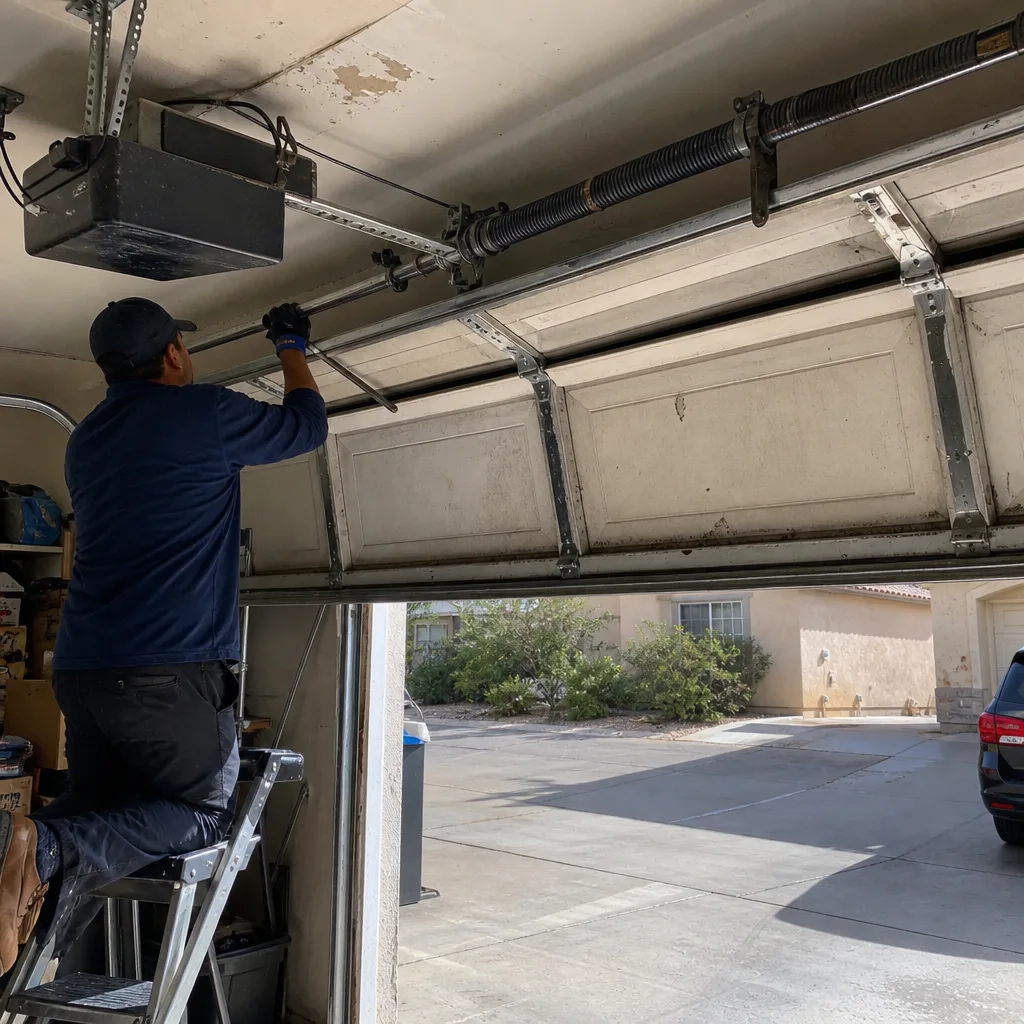 Before
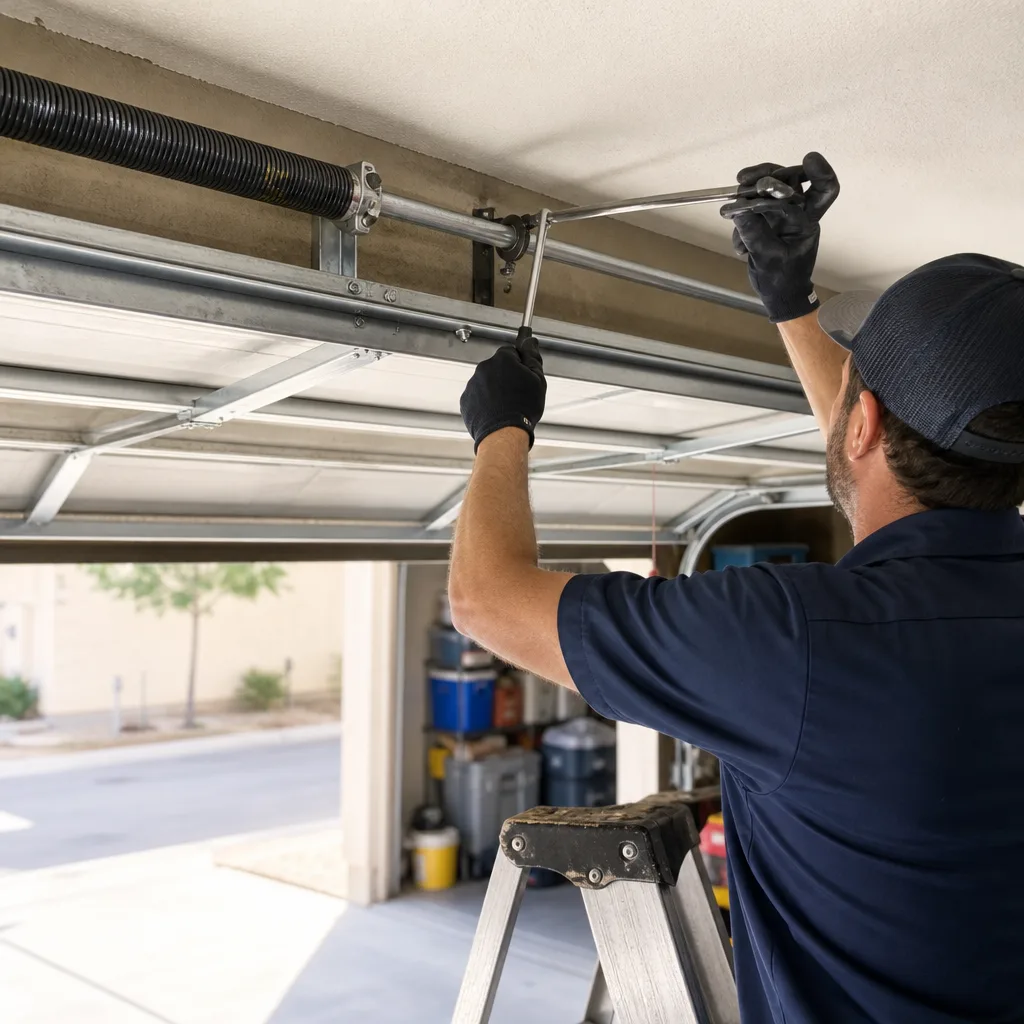 After
After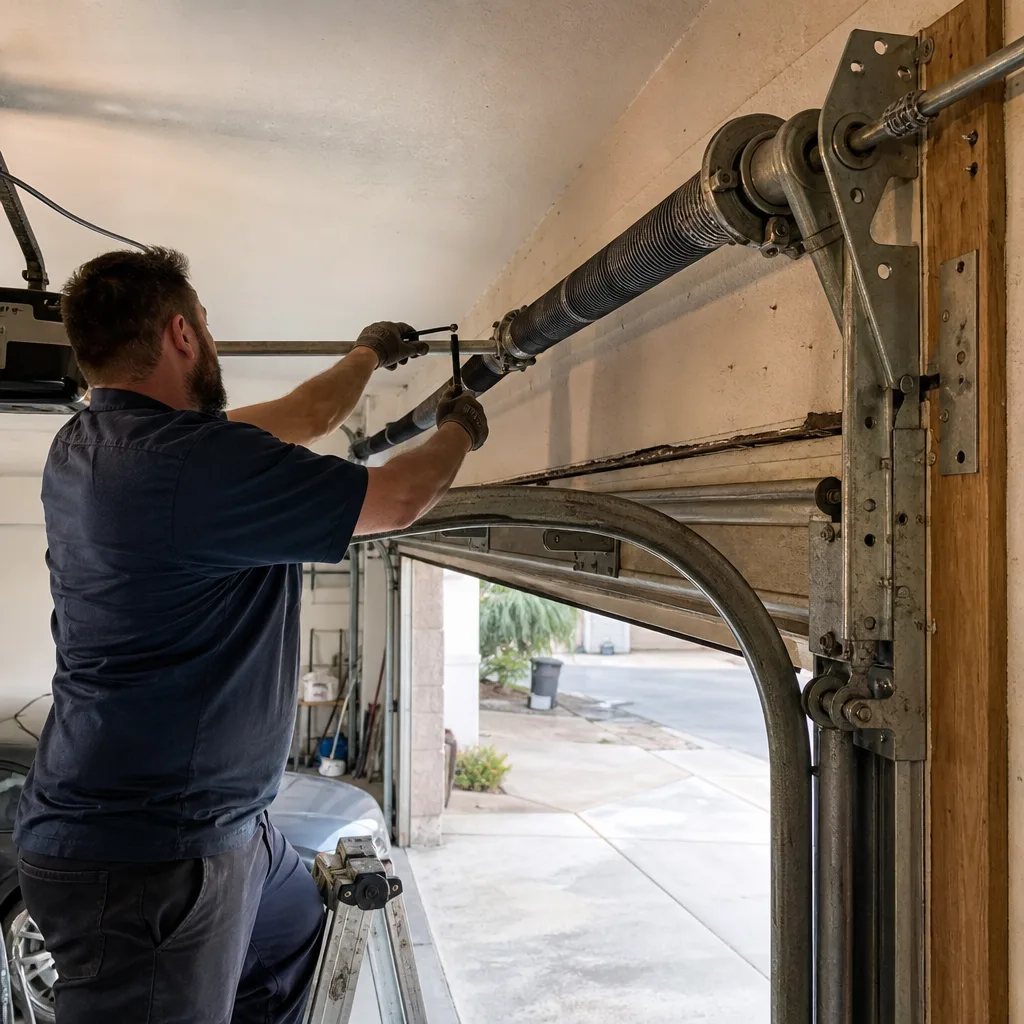 Before
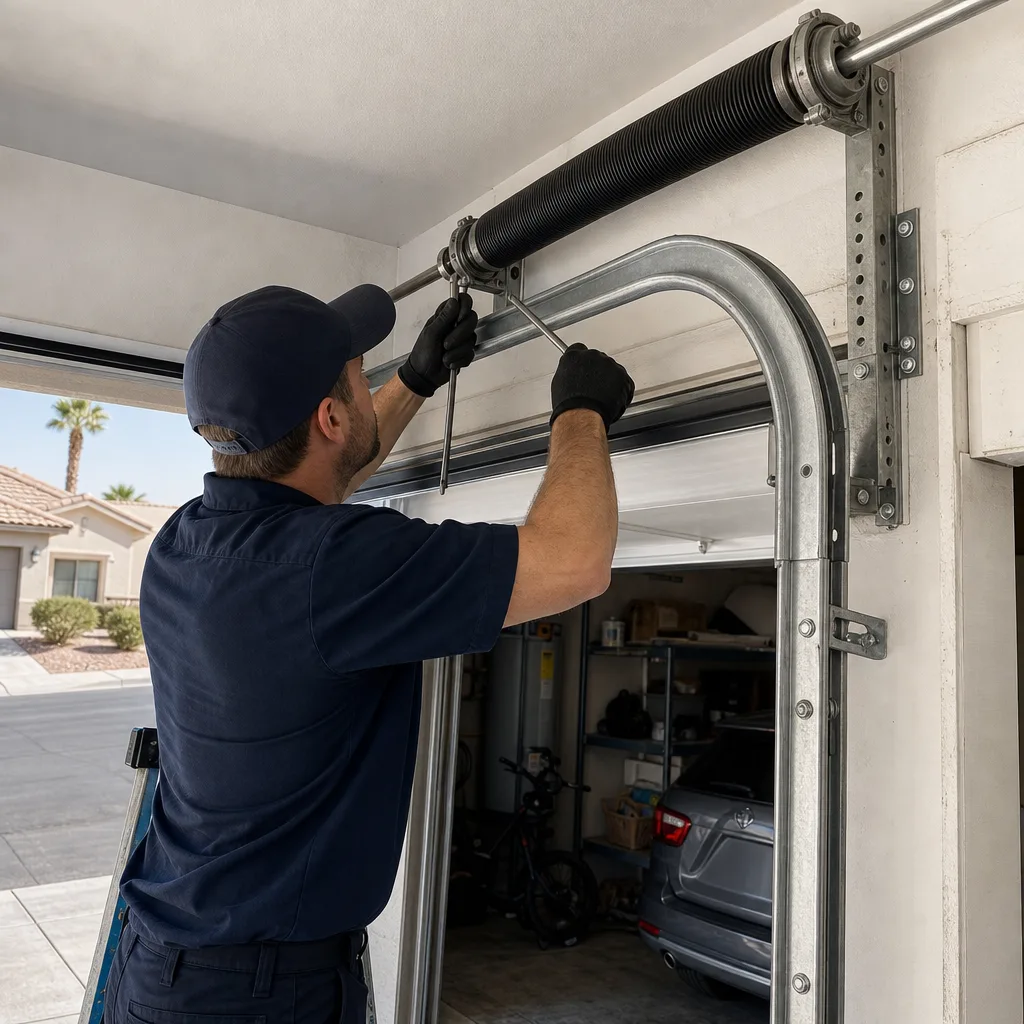 After
After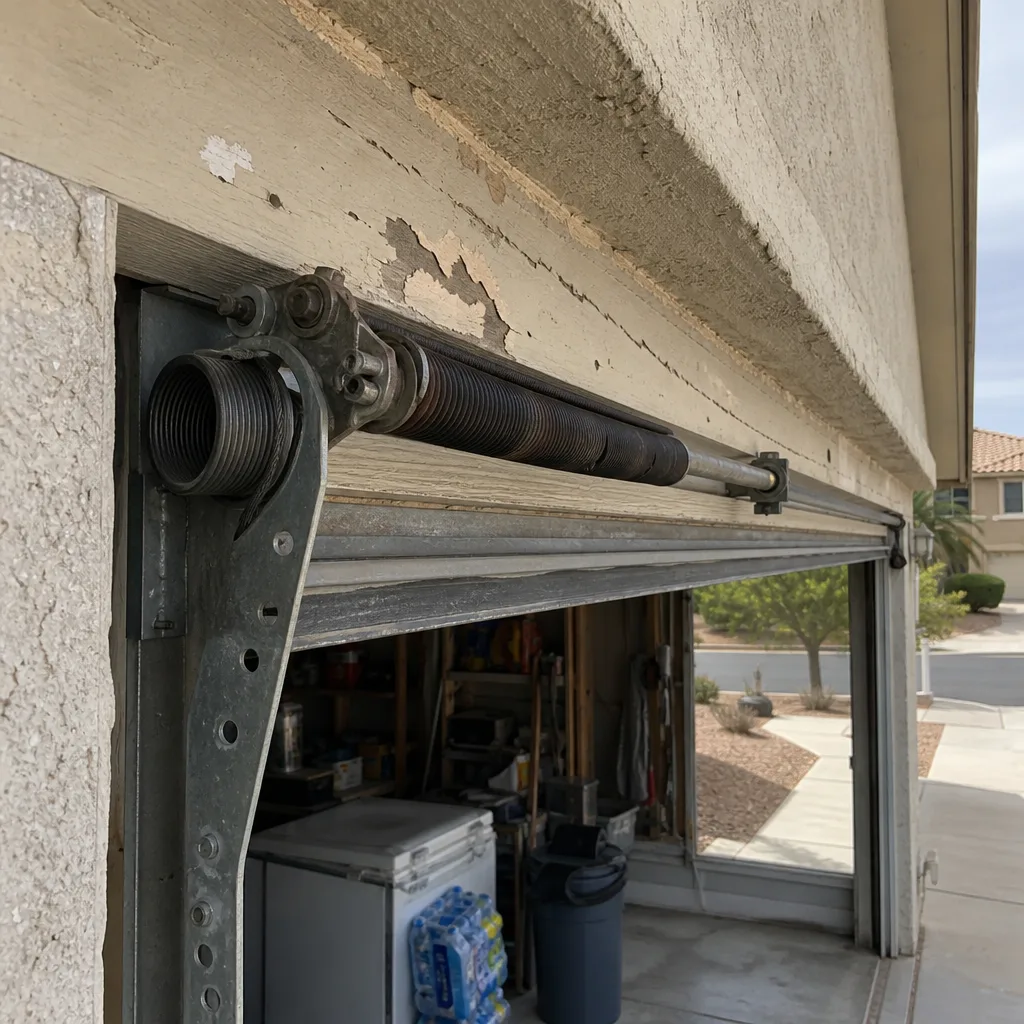 Before
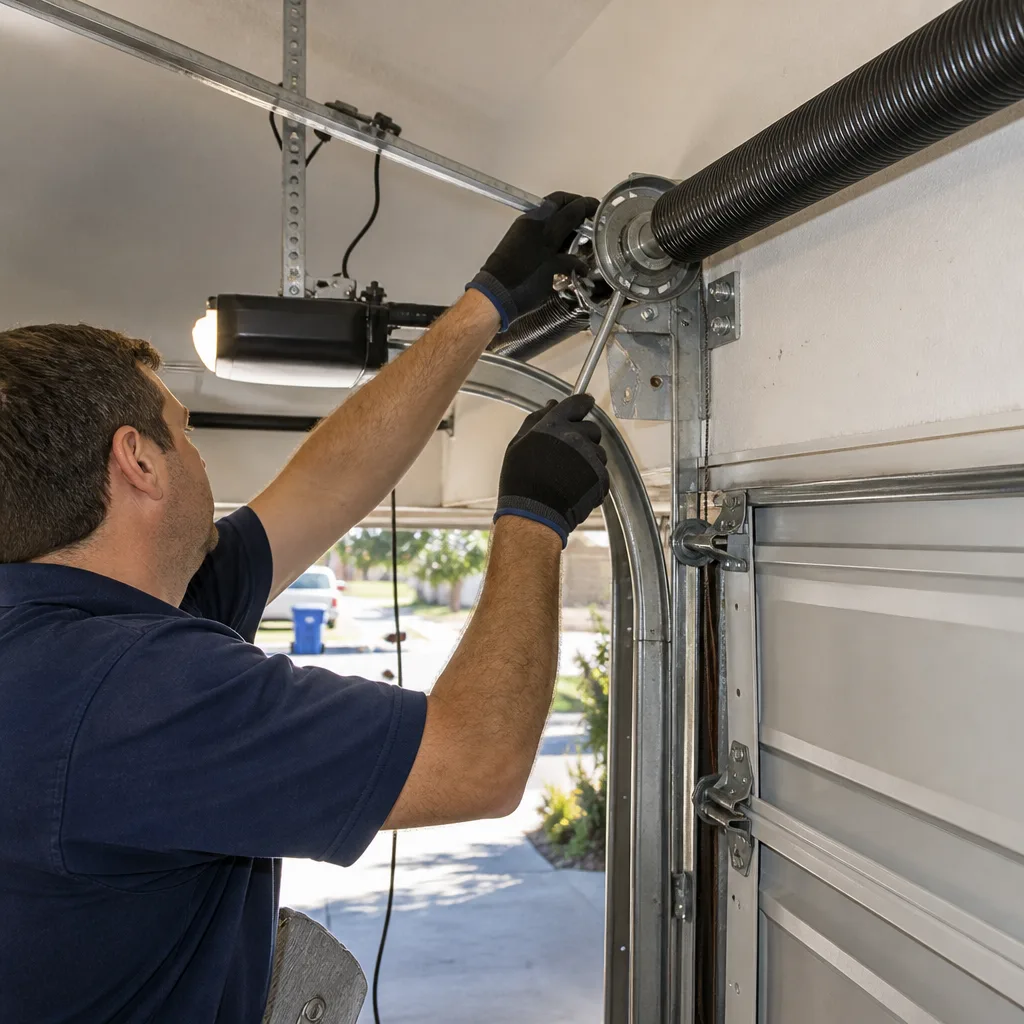 After
After