
Last updated October 17, 2026
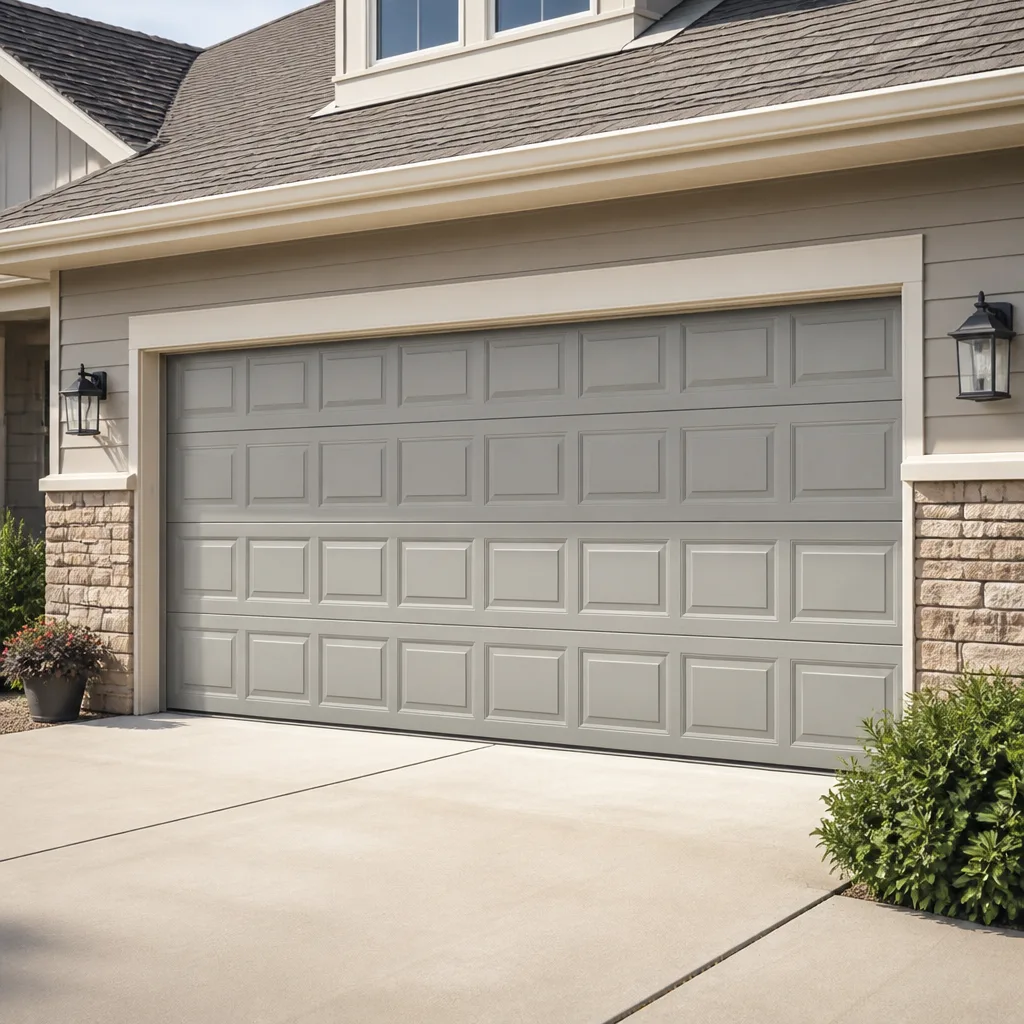 Raised-panel steel
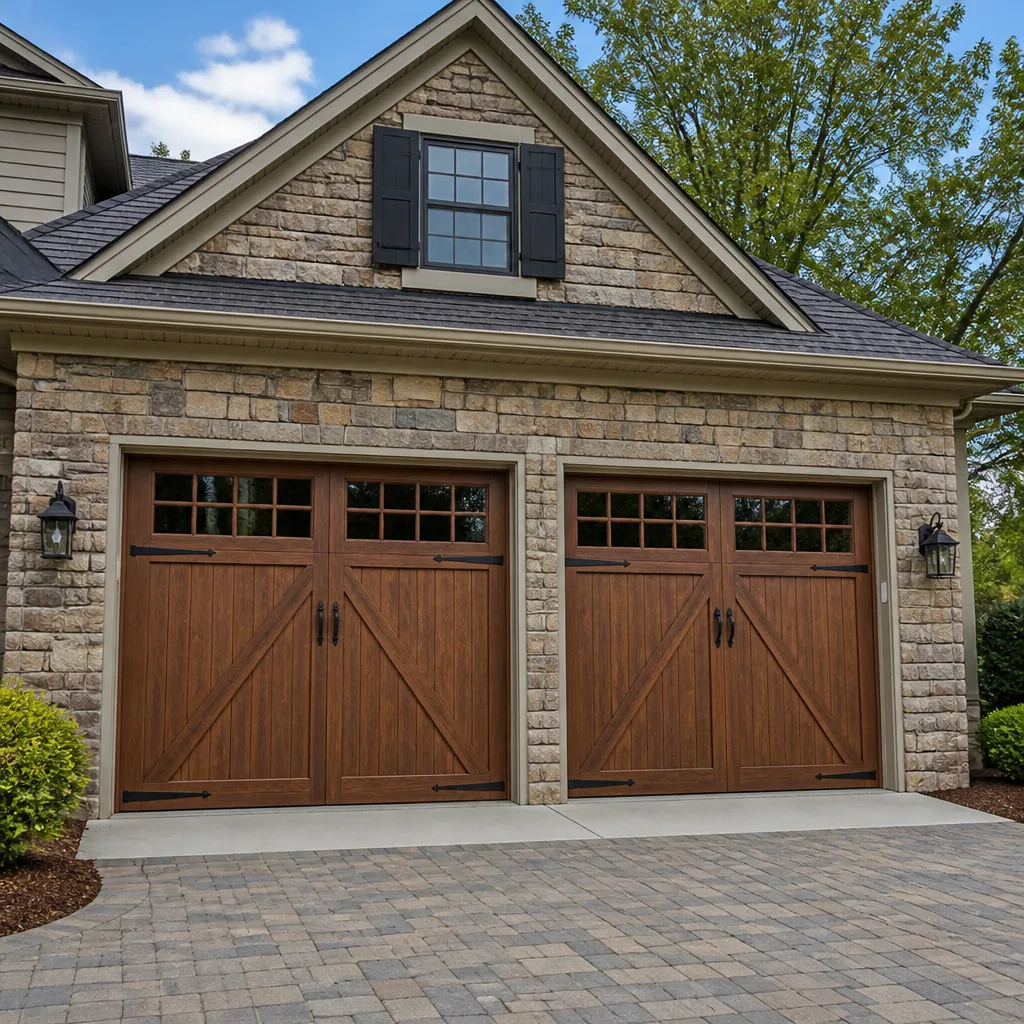 Carriage house
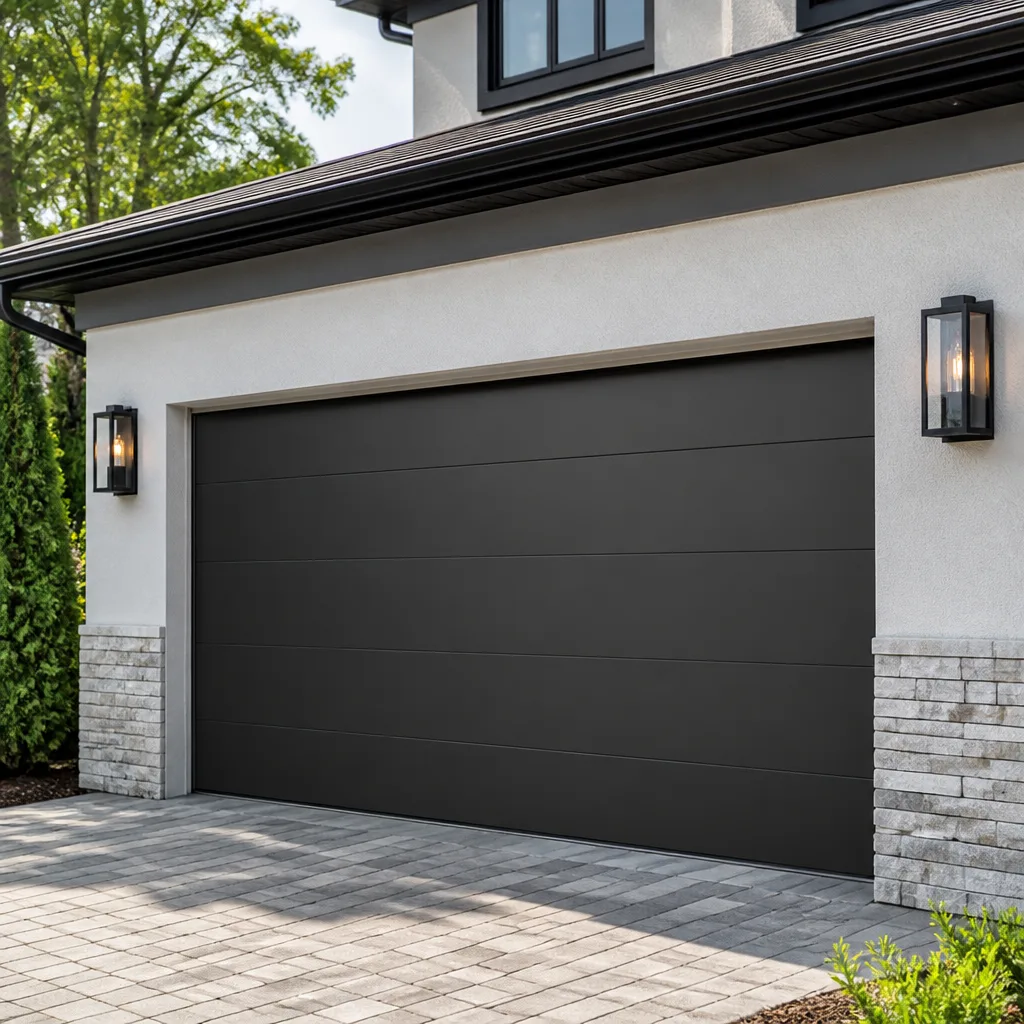 Modern flush
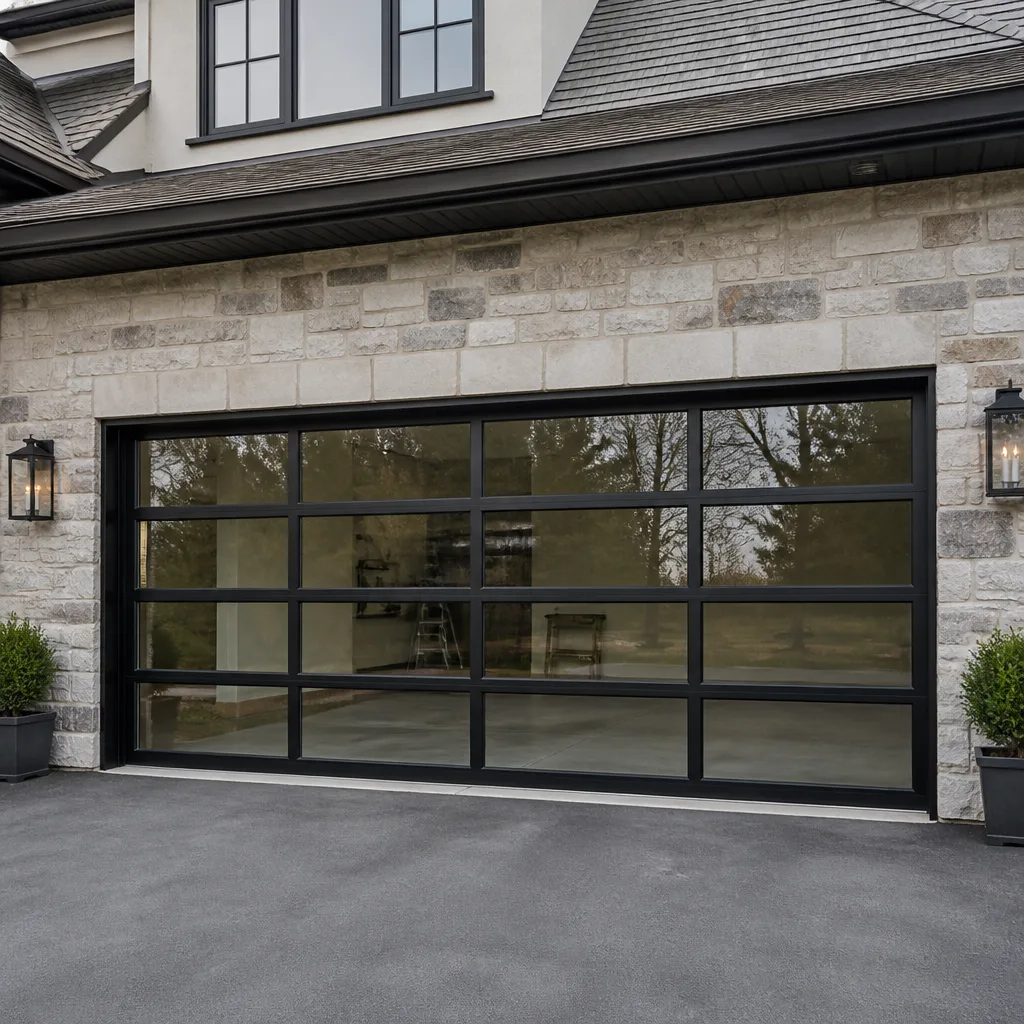 Full-view glass
 LiftMaster openers
 Chamberlain openers
Full 25-point door and opener safety check with every visit - springs, cables, rollers, tracks, and your LiftMaster or Chamberlain opener included
You get a price before we start. It does not change when the truck arrives.
Get your free estimateGarage Door Warning Signs: A Henderson Homeowner’s Reference Guide
Here’s something that surprises a lot of Henderson homeowners: your garage door is almost always telling you what’s wrong with it, often weeks before it actually fails. The problem is that the warnings are easy to misread. A grinding noise on the way up and a grinding noise on the way down are not the same problem. One often points to the opener drive gear, the other to a roller dragging in its track. Most people, understandably, just call it “the door is making a noise” and wait. This guide maps each warning sign to its likely cause, the risk of ignoring it, and how soon it should be addressed. For a broader look at maintenance and repair, see our The Complete Guide to Garage Door in Henderson. By the time you finish reading, you’ll know which sounds are urgent, which ones can wait a week, and which ones mean stop using the door entirely until a technician looks at it. We’ve repaired thousands of garage doors across Henderson, from Anthem to Green Valley to Water Street, and the same few warning signs show up again and again.
Quick Answer
The most common garage door warning signs in Henderson fall into three groups: what you hear (grinding, squealing, banging, clicking), what you see (gaps, uneven panels, sagging cables), and what you feel (resistance, vibration, slow travel). Most symptoms point to one of four components: springs, rollers, cables, or the opener. Three signs are immediate safety stops: a snapped cable, a visibly broken spring, or a door that reverses when it should not. Everything else can generally be diagnosed and scheduled within a week.
Styles & brands we work with
Table of Contents
- What You Hear: Sounds and Their Likely Causes
- What You See: Visual Clues to Door Health
- What You Feel: Resistance, Vibration, and Travel Speed
- The Three Immediate Safety Stops
- Broken Spring vs. Broken Cable: How to Tell the Difference
- Henderson-Specific: UV Damage and Chalking Paint
- The 2×4 Auto-Reverse Test
- Common Mistakes to Avoid
- When to Call a Professional
- Frequently Asked Questions
What You Hear: Sounds and Their Likely Causes
Your ears are usually the first warning system. Garage doors make noise when they work, sure, but there’s a difference between the hum of a healthy motor and the specific sounds of a component failing. Here’s what each sound means.
Grinding on the way up: In most cases, this points to the opener’s drive gear. The gear is plastic on many LiftMaster and Chamberlain openers, and once the teeth begin to shear, the motor spins but the door hesitates and grinds. We see this frequently in Henderson homes that are ten or fifteen years old, right around the age the factory gear strip starts showing wear.
Grinding on the way down: Different problem entirely. A grinding or scraping sound as the door lowers typically means a roller is leaving its track, or the track itself has shifted and the roller is dragging against the metal. Look at the rollers when the door moves. If one wiggles or doesn’t spin, that’s your clue.
Squealing or screeching: This is almost always friction. Dry rollers, dry hinges, or a dry bearing plate. It’s the most benign sound on this list and often the easiest fix, but ignored long enough, it becomes a wear problem. Metal rollers without bearings, common on older Raynor and Craftsman doors, squeal the loudest.
Banging or thumping when the door moves: A rhythmic thump suggests a roller hitting a flat spot or a section joint that’s binding. A single loud bang when the door starts or stops often means the opener’s travel limits are set wrong or the door is out of balance and slamming into the ground.
Clicking: A small click can be normal in relays inside the opener head. A repeated mechanical click, especially on doors with torsion springs, can be a spring adjusting on its cone as the door moves. If the clicking is new, get it checked.
A good rule: if the sound is new and you can feel it through the floor or wall, it’s not normal. If it’s a persistent squeal, a lubrication service will often fix it. If it’s a grind, you need a technician.
What You See: Visual Clues to Door Health
Close your garage door and stand inside. Now look at it for thirty seconds. Most Henderson garages have some natural light in the daytime, which is exactly when these visual warnings are most visible.
Gap at the bottom: If you see daylight under one side of the door but the other side touches the floor, the door is out of level or the floor has shifted. Vegas Valley soil moves with moisture and temperature, and Henderson slab garages see this regularly. A small gap is a weather and pest problem. A large gap changes how the door seals and how the opener senses the floor.
Uneven panels: If one section looks pushed in or out relative to the others, look at the hinge line between sections. A bent panel or a broken hinge shows up here. We see this often on doors that have been hit by a car or a basketball goal that tipped over in the garage.
Sagging cable: Stand near the door with the door up. Look at the cables running from the bottom corners up to the drums at the top. A cable that looks loose, wavy, or has visible rust is a warning. A cable that’s actually off the drum is an immediate stop.
Rust at the bottom corners: Henderson’s dry climate helps, but garage floors get wet from car tires after rain, and that moisture sits right at the panel bottom. Rust on the bottom corners of steel doors is a structural warning, not a cosmetic one.
Door leaning when open: Walk outside and look at the door when it’s fully open. It should sit parallel to the garage ceiling. If it hangs at an angle, the springs are no longer providing balanced lift and something is wearing unevenly.
What You Feel: Resistance, Vibration, and Travel Speed
Disconnect your opener using the emergency release handle, then open and close the door by hand. A balanced garage door should move smoothly and almost easily, about forty pounds of lift force at most. Here’s what certain sensations tell you.
Heavy resistance: If the door feels like it weighs more than it did a year ago, the springs are losing tension. Torsion springs weaken over time. By the time you notice the weight increase, the spring is usually near the end of its cycle life.
Door drops too fast when you let go: A balanced door stays roughly where you left it. If it falls to the floor, the springs are worn or broken, and the opener is working harder every cycle to compensate. That’s when openers fail prematurely.
Vibration you can feel in the wall or opener rail: Vibration travels through the track and into the structure. If the opener shakes on its mounts or the rail vibrates visibly, rollers or hinges are worn and the door is fighting itself. The opener’s motor mounts are not built for that stress over years.
Slow travel speed: A door that opens more slowly than it did is usually an opener capacitor issue or binding in the track. On very cold mornings, lubricant thickens and doors move a little slower. But persistent slow travel in a Henderson summer, when temperatures are warm, is a mechanical warning.
Door stops partway and reverses: This usually means the opener’s force setting is tripping. The door is binding somewhere and the opener is sensing resistance it interprets as an obstruction. This is a safety feature doing its job. The underlying problem is mechanical.
The takeaway: your hands are the best diagnostic tool you own. Once a month, give the door a manual cycle. You’ll notice changes much earlier than you would from inside the car.
The Three Immediate Safety Stops
Most garage door warning signs allow you to keep using the door while you schedule a service call. These three do not. If you see any of the following, stop operating the door and call a technician.
- A snapped cable: A cable that has visibly broken and is hanging loose from the door or drum. The door may still open, but the remaining cable is now carrying double its rated load. If it breaks, the door can drop unpredictably.
- A broken torsion spring: You’ll usually find two springs on the shaft above the door. If one has a visible gap in the coil, it’s broken. Do not operate the door. The remaining spring is not designed to lift the full door weight alone.
- An auto-reverse that fails the 2×4 test: If you run the test described below and the door does not reverse when it contacts the wood, stop using the opener entirely. This is the safety system that protects kids, pets, and cars. Until it’s fixed, use the door manually or leave it closed.
These three share something: they indicate a mechanical or safety failure where the next event is sudden and unpredictable. They are not gradual. That’s why they are stops, not warnings.
Broken Spring vs. Broken Cable: How to Tell the Difference
People in Henderson tell us “the door won’t open” and most of the time we find either a broken spring or a broken cable. They look related, but they are different components with different functions, different repair costs, and different timelines. Here’s how to tell which one you’re dealing with before you call.
Look up when the door is closed. Above the door opening, you’ll see a metal shaft running horizontally. Torsion springs wrap around that shaft. If you see a gap in one of the coils, the spring is broken. That’s a spring repair. In Henderson, Garage Door Spring Repair in Henderson typically runs $180 to $340 for a single spring and $240 to $450 for a pair, depending on spring size and cycle rating.
Now look at the sides. Cables run from the bottom corners of the door up to cable drums at the ends of the shaft. If a cable is hanging loose, frayed, or lying on the floor, that’s a cable failure. Cable repair is generally less expensive than spring replacement, usually $120 to $220, but it’s also often a symptom of a deeper problem: a door that’s out of balance or a drum that has slipped.
The operating test: With a broken spring, the door is extremely heavy and the opener typically cannot lift it. With a broken cable, the door often opens crooked or one side sticks while the other moves. Both mean stop using the door, but the repair paths are completely different. A spring is a measured, tensioned component replaced in matched pairs. A cable is a replacement plus a track and drum alignment.
Why it matters: if you misread a broken cable as a broken spring, you might expect a couple hundred dollars and a same-day fix. If you misread a broken spring as a cable, you might wait a week on a component that’s actively dangerous. A quick visual check takes thirty seconds and gets you talking to the right technician about the right problem.
Henderson-Specific: UV Damage and Chalking Paint
Henderson gets more than 290 days of sunshine a year. That’s good for pool season and bad for garage door paint. Here’s what chalking and fading actually mean and when to care.
What chalking looks like: Run your hand over a south-facing or west-facing panel. If white powder comes off on your palm, the paint’s resin is breaking down. This is cosmetic at first. The powder is degraded pigment, not steel.
What it means over time: Chalking paint eventually stops protecting the steel underneath. Once the paint loses its integrity, moisture and salt from winter road wash can reach the metal. In Henderson, where monsoon season brings sudden humidity swings, that moisture sits in the garage and accelerates rust. We see it most on doors in older Anthem and MacDonald Ranch homes where the door faces full western exposure.
When it’s structural: If you see rust blooms, blistering, or paint peeling in sheets, the metal underneath has started to corrode. That’s beyond cosmetic. On a ten-year-old door, repainting with a high-quality acrylic latex and a bonding primer can buy you another five years. On a fifteen-year-old door with rust at the bottom corners, replacement may be the smarter financial move.
When to ignore it: Chalking alone, with solid metal beneath, is not a repair issue. It’s a maintenance decision. Many Henderson homeowners repaint every seven to ten years and never have a structural problem. The warning sign to take seriously is not the powder. It’s the rust.
If you’re considering a new door, Garage Door Installation in Henderson is where you can see how modern paint systems and UV-stable panels compare to what’s on the house now.
The 2×4 Auto-Reverse Test
Since 1993, federal safety standards have required residential garage door openers to reverse when they contact an obstruction. The industry-standard test uses a 2×4 laid flat on the ground. Here’s how to run it, and what the result means.
- Close the garage door completely.
- Lay a 2×4 flat on the ground in the center of the door’s path, directly under where the door will come down.
- Close the door normally using the wall button or remote.
- Watch what happens when the door reaches the 2×4. The door should contact the wood and reverse within two seconds, returning to the open position.
If the door reverses, the auto-reverse is working. Run this test once a month. It takes a minute and it verifies the single most important safety feature on the door.
If the door does not reverse, or if it reverses only after pushing down hard on the wood, the opener’s force setting is too high or the travel limits are wrong. This is the exact scenario where a child or pet can be pinned. Stop using the door and call for service. The fix is usually a simple adjustment to the opener’s force sensitivity, but it should be done by someone who understands the relationship between force, travel limits, and spring balance.
One Henderson-specific note: garage floors in newer Green Valley Ranch homes often have a slight slope near the garage opening for drainage. That slope can affect how the 2×4 sits and how the door contacts it. If your floor slopes in the door’s path, lay the 2×4 slightly off-center where the floor is most level and run the test there.
Common Mistakes to Avoid
- Lubricating a noisy door to fix a spring problem. A squeal responds to lubrication. A grinding or banging does not. Spraying lubricant on a worn roller or gear just makes the next repair messier and delays the actual fix.
- Assuming a broken cable is a broken spring, or vice versa. The two look similar from the driver’s seat: “the door won’t open.” The repair cost and safety implications are different. Look up, look at the sides, and know which you’re dealing with.
- Replacing only one spring. Torsion springs come in matched pairs. When one breaks, the other is past its expected cycle life. Replacing one saves money today and costs more when the second breaks in six months.
- Ignoring a gap under the door because “it’s just a little daylight.” That gap is where scorpions, mice, and summer heat enter the garage. In Henderson, a sun-facing door with a bottom gap also lets hot air pool against the interior door from the garage into the house.
- Running the auto-reverse test with a hose or a broom instead of a 2×4. The test is calibrated to the resistance of a 2×4 laid flat. A broom handle or garden hose gives a false pass or a false fail. Use the wood.
- Oiling the tracks. Garage door tracks should stay dry. Lubricant on the track attracts dust and grit, which becomes a grinding paste. Only rollers, hinges, and springs get lubricant.
- Hearing a warning sound and waiting for it to get worse. Garage door components don’t heal. A grind today is a broken gear next month. The cost difference between early and late repair is usually the price of the part you’d have saved if you’d called sooner.
When to Call a Professional
Some repairs are simple: lubrication, tightening a loose hinge, replacing a worn bottom seal. But anything involving spring tension, cables under load, or opener force settings deserves a trained technician. These components store energy. Torsion springs, in particular, are held under enough tension to injure someone who tries to remove them without the right tools and experience.
We tell our Henderson customers this: if you see a broken spring, a snapped cable, or a door that fails the auto-reverse test, stop operating the door and call. The warning signs are readable. The cost of the repair is almost always less than the cost of the damage when the door fails completely. At Fernbrook Garage Doors Henderson, every visit includes a written price before any work starts, shoe covers on every floor inside the home, and a photo of the clean-up before the technician leaves. If you’re in Henderson and you’ve noticed a new sound, a visual change, or something that just feels different, call (775) 458-7045. We’ll talk through what you’re seeing and schedule a free estimate.
Frequently Asked Questions
Garage door spring repair in Henderson typically costs $180 to $340 for a single torsion spring and $240 to $450 for a pair, depending on spring size and cycle rating. Ferbrook always quotes the price in writing before any work begins, so there are no surprises on the invoice. For exact pricing on your door, call (775) 458-7045 for a free estimate.
Yes, we can usually get a technician to your Henderson home the same day for a grinding door. The repair itself depends on the cause, which is a drive gear, a roller, or track misalignment. Call (775) 458-7045 and a live person will answer, even on weekends and holidays. You can also explore more guides & resources on our blog.
Look at the spring shaft above the closed door. A broken torsion spring shows a visible gap in the coil. You may also hear a loud bang from the garage when the spring broke, and the door will feel very heavy if you try to open it manually. If you see a gap, stop operating the door and call us.
Not necessarily. Chalking paint is a cosmetic issue that can usually be addressed with repainting as long as the steel underneath is solid. If you see rust blooms or peeling that exposes metal, the corrosion may be structural. A technician can assess whether your door is a repaint candidate or a replacement candidate.
An uneven door usually means one side has a broken cable, a worn spring, or a shifted track. The left and right sides are no longer lifting evenly. This puts uneven stress on the springs and opener and should be checked promptly. The good news: it’s almost always repairable without replacing the whole door.
This is usually the opener’s force sensor tripping because the door is binding somewhere. The sensor thinks it hit an obstruction when it actually just felt resistance. The most common causes are worn rollers, a misaligned track, or a door out of balance. The safety system is doing its job; the mechanical issue needs attention.
The Bottom Line
Garage doors in Henderson give clear, readable warnings. The sound points to the source. The visual signs point to the structure. The feel points to the balance. The three immediate safety stops are a broken cable, a broken spring, and a failed auto-reverse test. Everything else can be scheduled. The most cost-effective thing you can do is learn which warning is which, run the 2×4 test once a month, and act when the signs first appear. Every one of our repair and installation services in Henderson operates the same way: a written quote before work starts, shoe covers and drop cloths inside the home, and a clean-up photo before we leave. If your door is making a new sound or moving differently, call (775) 458-7045 and we’ll help you read the warning.
Written by Jesse Calder, Owner at Fernbrook Garage Doors Henderson, serving Henderson since 2002.
See the difference
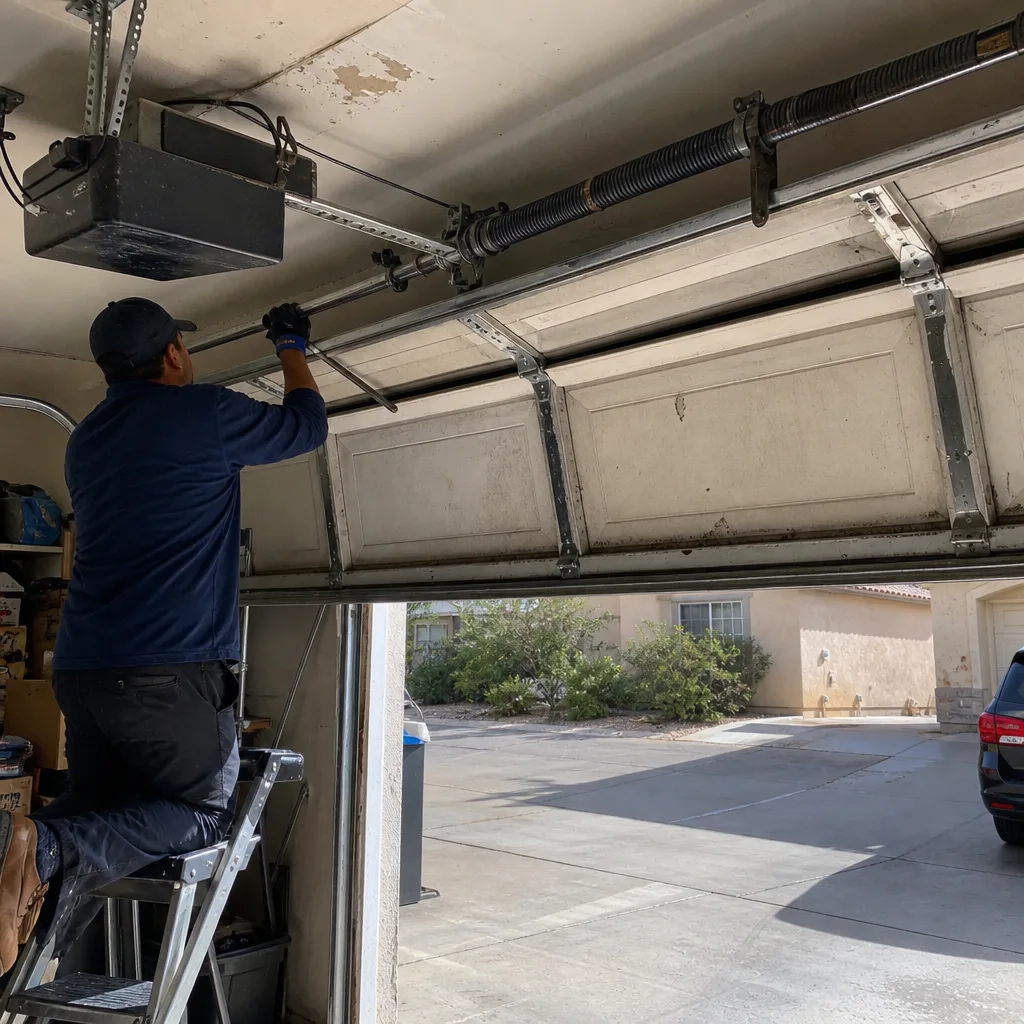 Before
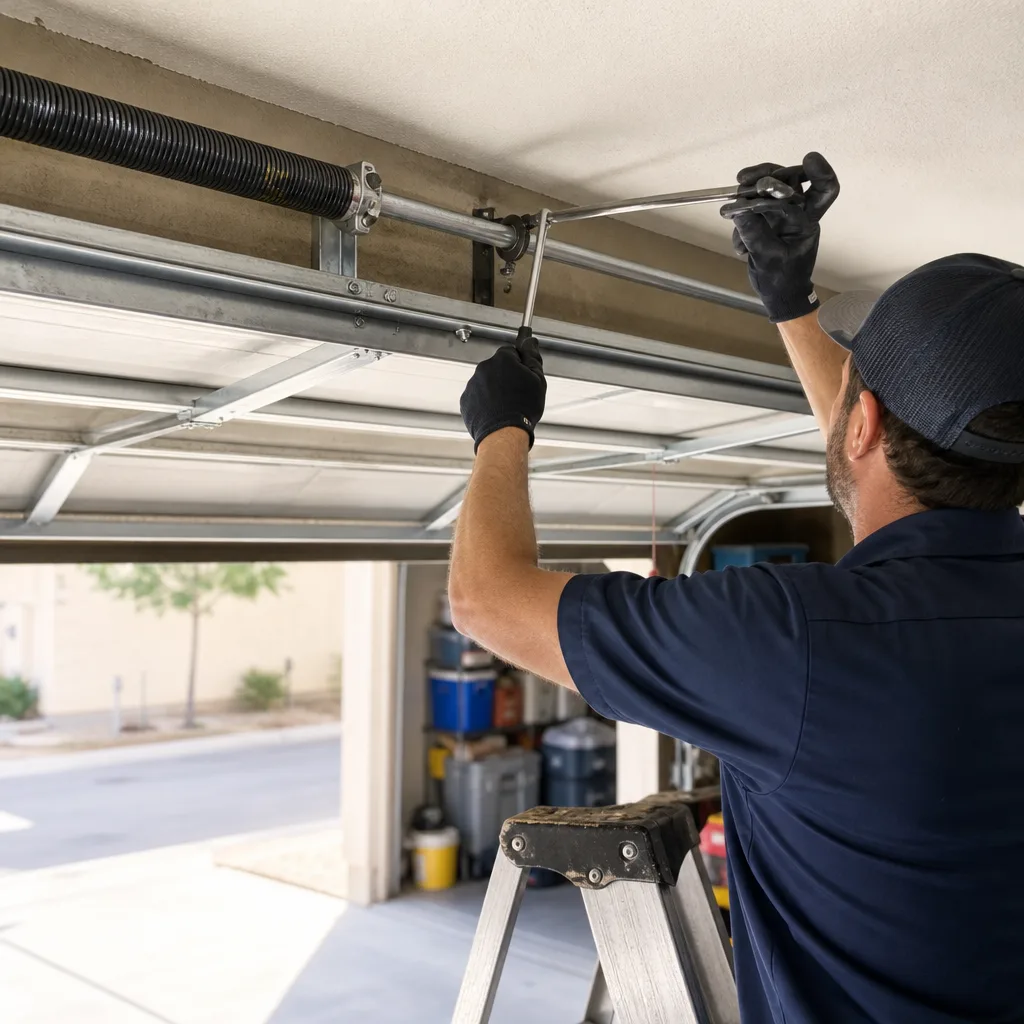 After
After Before
 After
After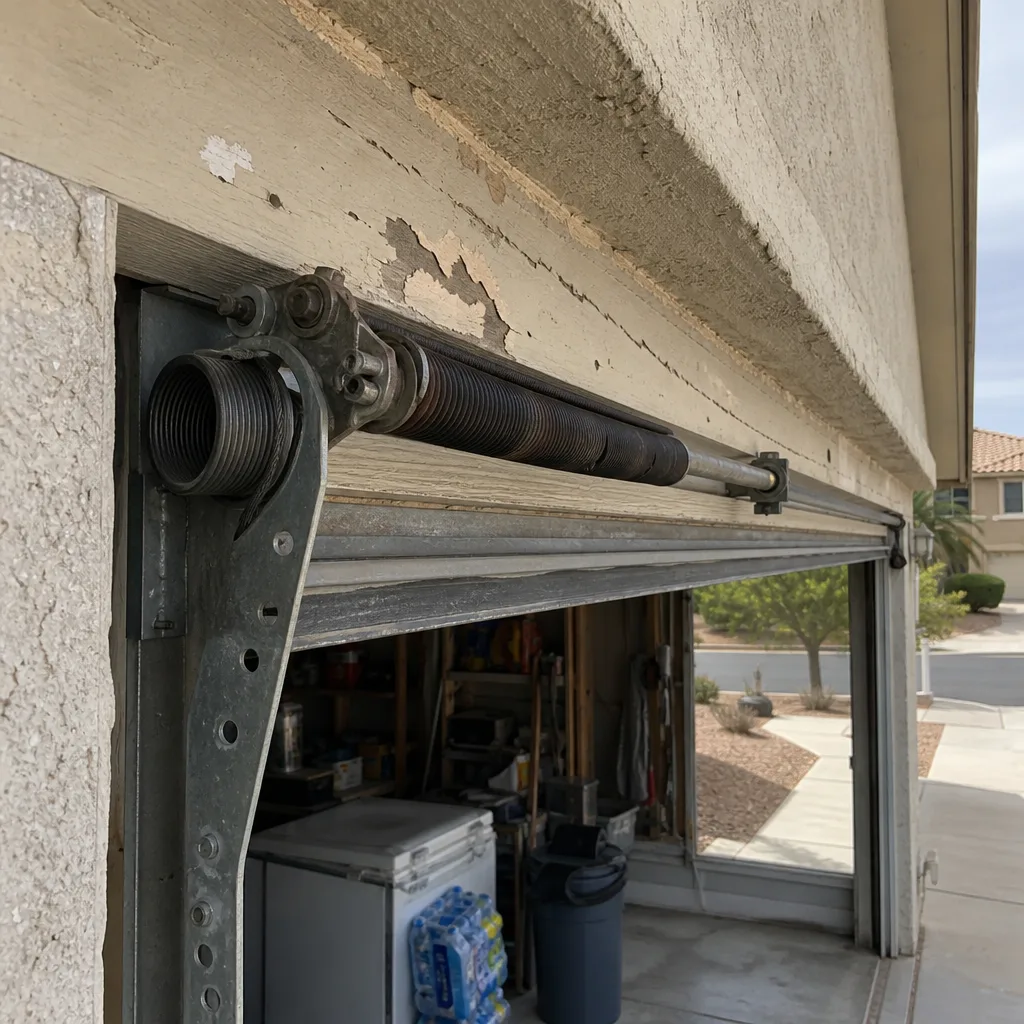 Before
 After
After