
Last updated October 17, 2026
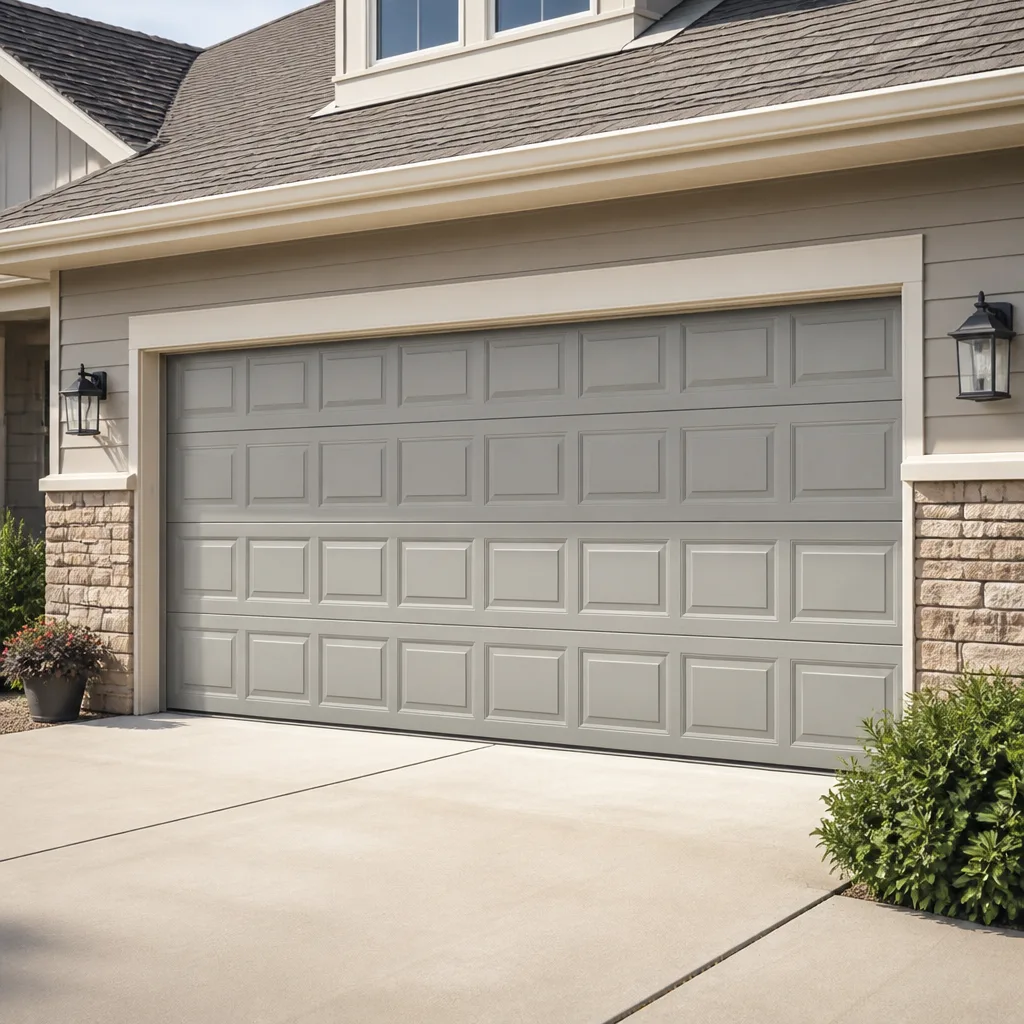 Raised-panel steel
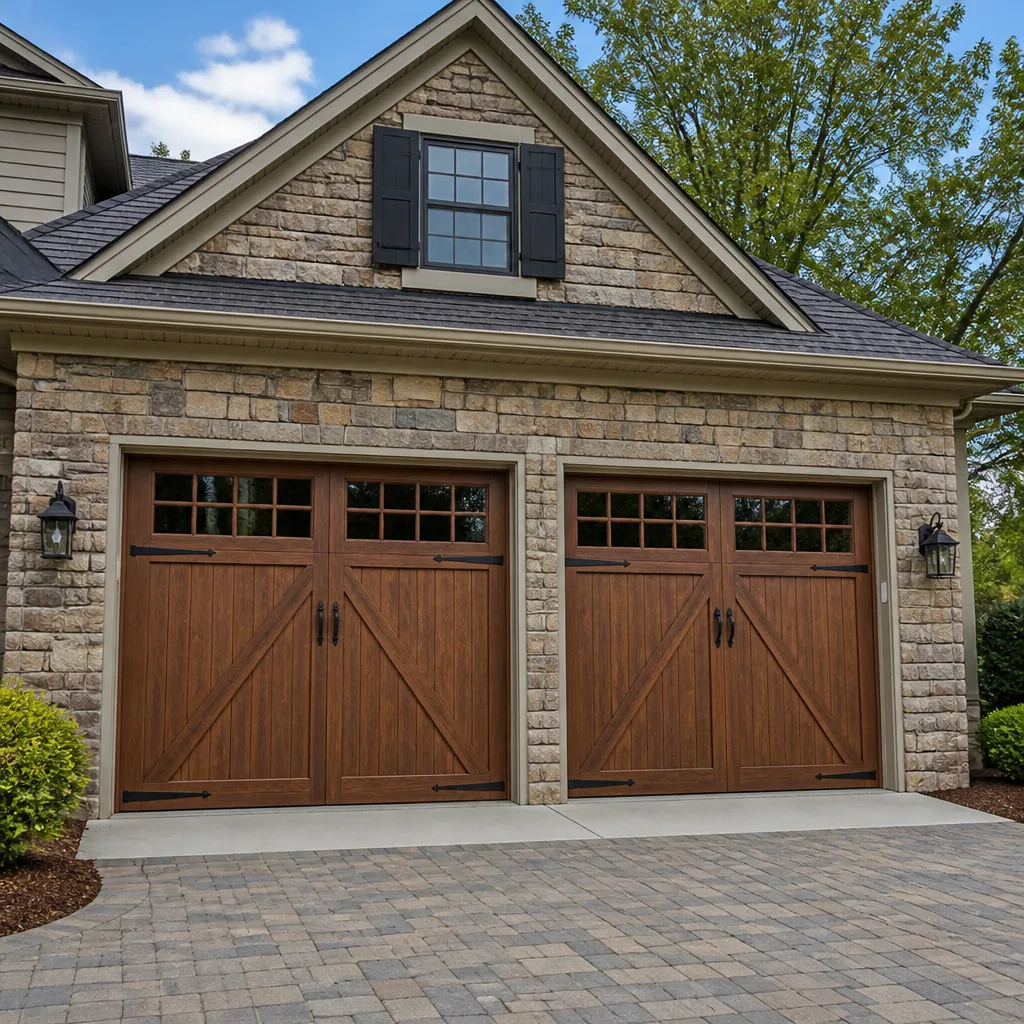 Carriage house
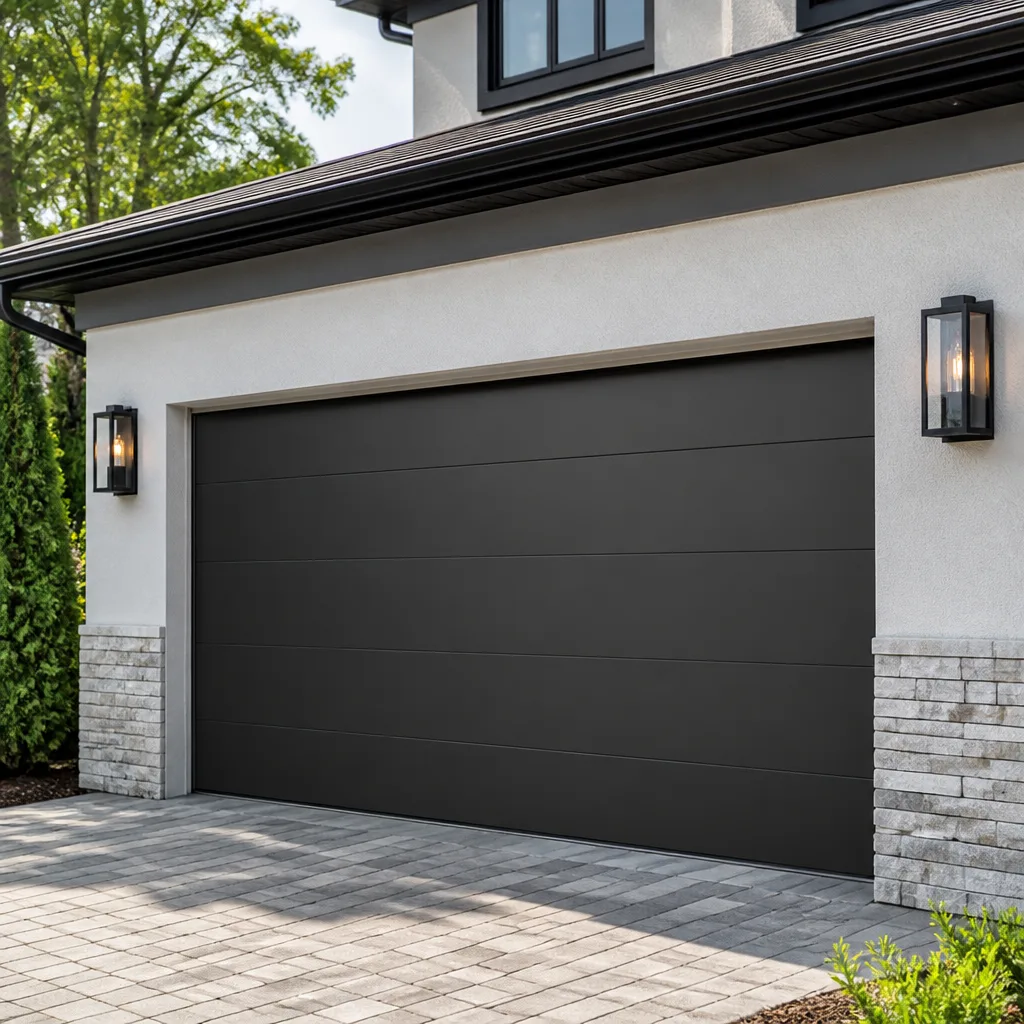 Modern flush
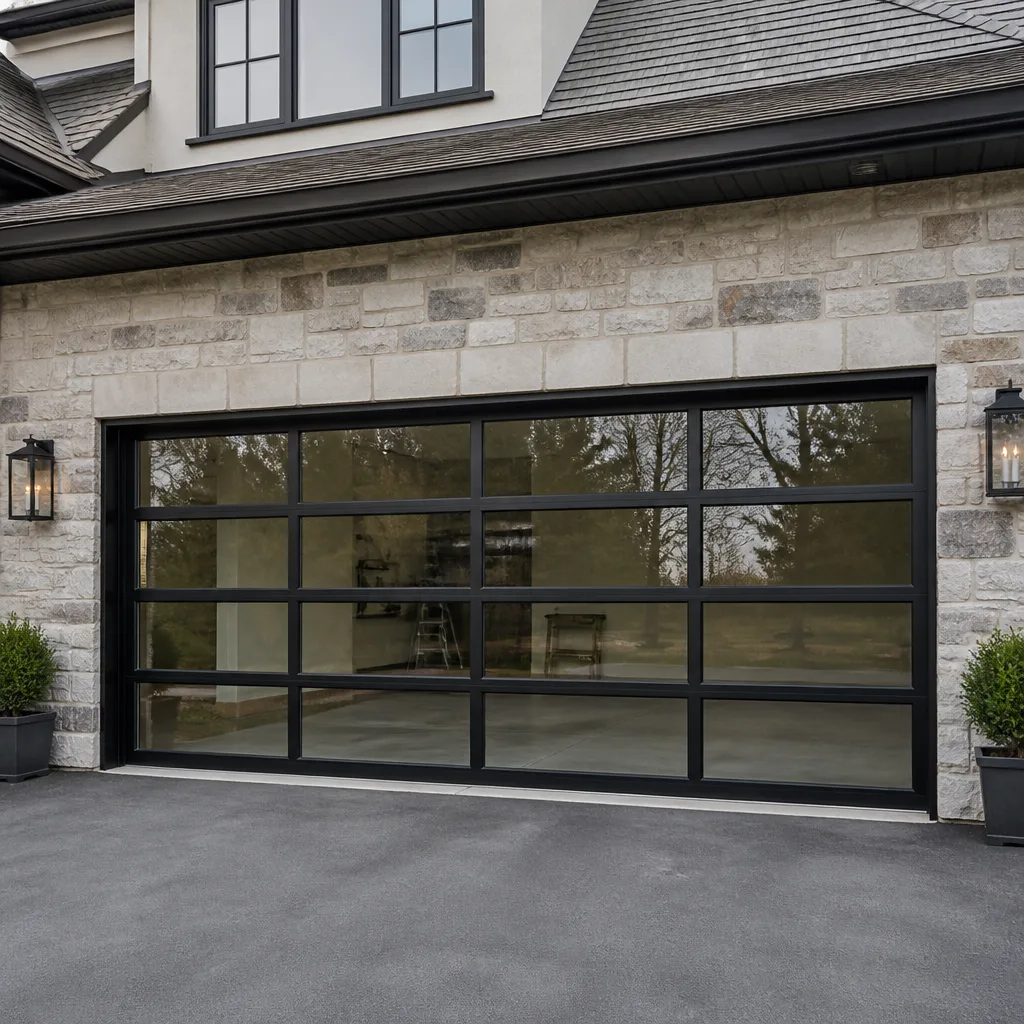 Full-view glass
 LiftMaster openers
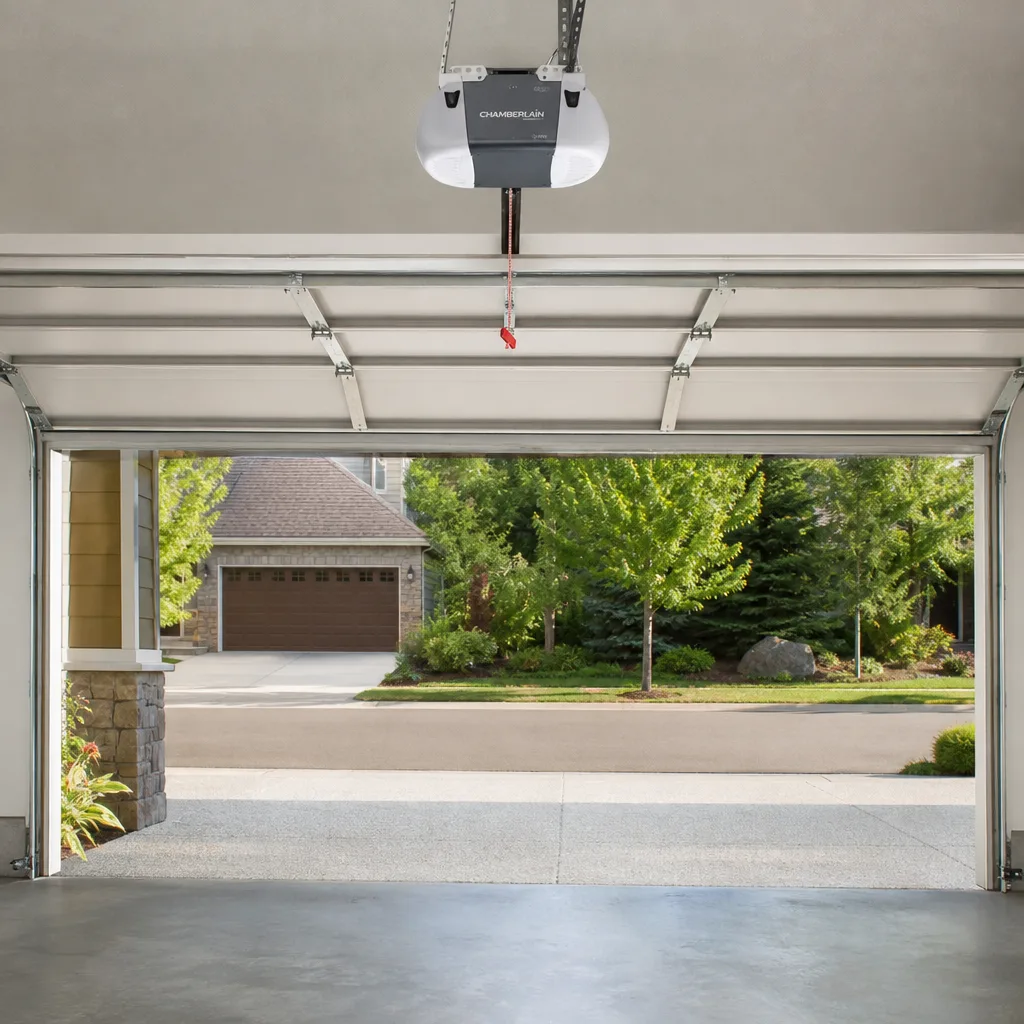 Chamberlain openers
Full 25-point door and opener safety check with every visit - springs, cables, rollers, tracks, and your LiftMaster or Chamberlain opener included
You get a price before we start. It does not change when the truck arrives.
Get your free estimateSeasonal Garage Door Care for Henderson: Year-Round Homeowner’s Guide
Henderson doesn’t do four seasons the way most of the country does. What we get instead is a 76-degree swing between January nights that hover at 39°F and August afternoons that push past 110°F. That range is exactly what wears out torsion springs faster here than the national 10,000-cycle estimate suggests. This complete guide to garage doors in Henderson covers the four real stress windows homeowners face – dry summer heat, monsoon humidity, fall temperature shifts, and winter cold snaps – and what your garage door needs during each one to keep working quietly without a surprise repair bill.
Quick Answer
Seasonal garage door care in Henderson means four targeted checks per year: test weatherstripping compression before June heat, watch panel swelling during the July – August monsoon humidity window, re-lubricate springs and hinges every October before temperatures drop, and test your opener battery’s cold-weather performance in December. Most homeowners can handle these checks in under 20 minutes, and they prevent roughly two-thirds of the calls we run each year for avoidable failures, though DIY vs professional garage door service is a decision Henderson homeowners should weigh carefully.
Styles & brands we work with
Table of Contents
- 1. Summer Heat Protocol (June – August): What Dry Air Does to Rubber and Steel
- 2. Monsoon Humidity Protocol (July – September): The Two-Week Swelling Window
- 3. Fall Lubrication Window (October – November): The Highest-Leverage Task of the Year
- 4. Winter Cold Protocol (November – February): Battery Failure You Can Predict
- 5. Seasonal Supply List: What to Keep on Hand in Henderson
- 6. Monthly Maintenance Checklist: 15 Minutes That Prevents Most Repairs
- 7. Common Mistakes to Avoid
- 8. When to Call a Professional
1. Summer Heat Protocol (June – August): What Dry Air Does to Rubber and Steel
Henderson’s June heat is the first real test of the year for your garage door. By mid-June, daytime highs hit triple digits and stay there for roughly 10 weeks. The air in your garage can reach 130°F or more, especially if the door faces south or west. That heat does two things worth knowing: it dries out the rubber weatherstripping along the bottom of the door, and it accelerates metal fatigue in the torsion springs above your head.
Weatherstripping is the first thing to check. Run your hand along the bottom seal where the door meets the slab. If the rubber feels stiff, cracked, or compressed flat instead of rounded, it’s no longer sealing. The test we tell homeowners is simple: close the door at noon on a hot day, then crouch down and look for light bleeding through the gap. Any light means heat is getting in, and your air-conditioned air is getting out. In Henderson’s month-over-month utility spike between May and July, a failing bottom seal on a west-facing garage can add $20 – $40 to your monthly cooling bill.
For insulation, the relevant question is whether your door’s R-value is actually doing anything. Most garage door panels in Henderson are either polyurethane-injected steel (R-10 to R-18) or basic uninsulated single-layer steel. Here’s a quick test: stand inside the garage at 3 p.m. on a hot day and place your palm flat against the inside of the door panel. If the panel feels noticeably warm to the touch, the insulation is either absent or failing. If it feels close to the ambient garage air temperature, the insulation is working. We’ve seen this test in neighborhoods across Henderson – Anthem, Green Valley, Inspirada, Macdonald Highlands – and the results are consistent. A properly insulated door keeps the garage 15 – 20 degrees cooler than an uninsulated one, which matters when the garage shares a wall with your kitchen or a bedroom above it.
2. Monsoon Humidity Protocol (July – September): The Two-Week Swelling Window
Most people think of Henderson as pure desert, but late July through early September brings the North American Monsoon, and with it a humidity spike that catches garage doors off guard. Relative humidity in Henderson can climb from a typical 15 – 20% to 45 – 60% in a single afternoon when monsoon moisture pushes up from the Gulf of California. That shift matters for wood-composite and fiberboard garage door panels.
Wood composite absorbs moisture. The swelling is subtle at first – you might notice the door scraping the jamb on one side, or a panel edge pushing slightly past its neighbor. This typically peaks in the second or third week of August, which is the two-week window each year when we get the most calls about doors that suddenly “rubbing” or “sticking.” In most cases, this is transient: when humidity drops back below 30% in September, the panels shrink back to their original dimensions and the door clears the jamb again.
Here’s how to tell the difference between temporary swelling and a real problem:
- Expected monsoon swelling: Door rubs on one side only, during or just after a high-humidity afternoon, and clears when checked in the morning before 10 a.m. The scrape sound is soft, more of a drag than a grind.
- A problem worth a call: The door sticks every cycle, regardless of time of day. You can see a visible bow in a panel from inside the garage. The door has started leaving paint or wood splinters on the jamb. Or the scraping noise is metal-on-metal, not panel-on-wood – that’s usually a roller or hinge, not swelling at all.
If you have solid wood or wood-composite panels and you’re in an older Henderson neighborhood like Pittman or Highland Hills where those doors are common, consider applying a clear wood sealant every other spring. It won’t stop monsoon swelling entirely, but it slows moisture absorption enough that most doors clear the jamb without intervention.
3. Fall Lubrication Window (October – November): The Highest-Leverage Task of the Year
If you only do one maintenance task this year, make it the October lubrication. Here’s why: metal contracts as the weather cools, and torsion springs under tension become slightly stiffer. A dry spring that was quiet in August will start to creak in November. That friction isn’t just noise – it’s wear. The spring winds and unwinds every time the door cycles, and without lubrication, the coils grind against each other. Over a Henderson winter, that grinding can strip weeks or months off a spring’s usable life.
The lubrication window that matters in Southern Nevada runs from mid-October through the end of November. Aim to do this once, before night temperatures drop below 50°F consistently. Here’s the step-by-step:
- Disconnect the opener. Pull the red emergency release handle so the door moves by hand. You want the door free, not fighting the motor.
- Clean the spring coils first. Wipe the torsion spring above the door with a dry rag to remove dust and old lubricant. Do this while the door is closed, which puts maximum tension on the spring and opens the coils slightly.
- Apply a lithium-based garage door lubricant. Spray lightly along the entire spring coil. One pass is enough. Thick grease traps dust; a light lithium spray doesn’t.
- Lubricate the hinges and rollers. Hit each of the 10 – 14 hinge points and each roller bearing. Use the straw nozzle so the lubricant goes into the bearing, not just onto the roller face.
- Skip the track. The metal track doesn’t need lubricant. Greasing the track collects dust and actually makes the rollers work harder. If the track is dirty, wipe it down with a damp rag and leave it dry.
- Run the door a full cycle by hand. Raise it, lower it, then reconnect the opener. Listen for any new grinding or roughness.
One caveat with genuine safety weight: the torsion spring carries enough tension to seriously injure a person. The lubrication described here is done from a stepladder with the door closed – never remove, adjust, or replace a spring yourself. That’s a job for a trained technician with proper winding bars. If the spring looks rusted, stretched, or has a visible gap in the coils, call instead of lubricating.
4. Winter Cold Protocol (November – February): Battery Failure You Can Predict
Henderson’s winter nights are the quiet killer of garage door opener batteries. January lows average 39°F, and while that’s nothing like a Minnesota winter, it’s cold enough to drop a lead-acid or lithium backup battery’s available capacity by 30 – 50%. If your opener has a battery backup – the feature that keeps the door working during a power outage – November through February is when that battery fails, and it fails predictably.
The early sign is a sluggish open cycle on a cold morning. You press the remote, the opener lights come on, and the door moves – but it’s noticeably slower than normal, and the motor sounds labored. That’s not the motor failing. That’s the battery struggling to supply the current the motor needs. If you catch it here, you can replace a $25 – $50 battery instead of a $200+ control board, which is the part that fails when a dying battery forces the board to work harder for months on end.
Here’s the winter battery check, written for the way Henderson homes actually use their openers:
- Find the battery compartment. On LiftMaster and Chamberlain openers with backup batteries, the battery sits in a small hatched compartment on the motor head. Genie batteries are usually behind a front panel. If you’re not sure whether your opener has one, pull the power cord – if the opener still works, it has a backup battery.
- Test it unplugged in December. Unplug the opener, then run the door once with the remote. The door should move at normal speed, not slow, and complete the cycle without stopping.
- Check the LED indicator. Most backup batteries have a small status light on the opener. Green means the battery is charged and healthy. Amber or red means it’s near the end. On a LiftMaster or Chamberlain, the light is on the motor head itself.
- Mark the calendar for replacement every 3 – 5 years. Backup batteries in Henderson’s heat degrade faster than manufacturers expect because summer garage temperatures exceed the ideal storage range. If your battery is more than three years old, it’s on borrowed time.
For openers without backup batteries, the winter check is simpler: test the remote’s range on a cold morning. Cold air is denser, and radio signals don’t travel as far. If your remote only works when you’re within 10 – 15 feet of the door in January but works fine from across the street in May, the remote battery is fading. Same test, same fix – a $5 button battery from any Henderson hardware store.
5. Seasonal Supply List: What to Keep on Hand in Henderson
Everything below is available at any Henderson hardware store – there are well-stocked Ace Hardware locations on Horizon Ridge and Water Street, plus Home Depot and Lowe’s off Stephanie Street. Keeping these four items in the garage costs under $60 total and covers 80% of the seasonal maintenance tasks in this guide:
- Lithium grease spray. A can of white lithium grease, or a dedicated garage-door lubricant like the 3-IN-ONE Garage Door Lubricant. One can lasts two years with twice-a-year use. If you’re picking off a shelf and the product doesn’t specifically say “garage door” on it, make sure it’s lithium-based, not general WD-40.
- Bottom weatherstripping replacement. The U-shaped rubber strip that slides into the bottom channel of your door. Henderson’s heat and UV kills these in about two years. You can buy universal replacement strips at any Henderson hardware store in 9-foot and 16-foot lengths, cut to size with scissors. Measure your door width before you go.
- Silicone spray. For the weatherstripping itself, which extends the rubber’s life by keeping it flexible. One light coat every six months – spring and fall – is enough.
- Remote and backup batteries. A 2032 coin cell for remotes, plus – if your opener has battery backup – whatever sealed lead-acid or lithium battery your opener’s model calls for. Write the model number of your opener on the garage wall now, so you don’t have to climb the ladder to read it when a battery dies.
6. Monthly Maintenance Checklist: 15 Minutes That Prevents Most Repairs
Seasonal care handles the big shifts. A monthly check catches the small things before they become seasonal emergencies. This is the same checklist we run on our own equipment, and it never takes longer than 15 minutes:
- Watch one full cycle from inside the garage. Door up, door down. Look for hesitation, jerking, or sideways drift. A door that’s working properly moves at a steady, consistent speed the whole way.
- Listen. A trained ear hears most problems before they become expensive. Squeaks mean lubrication. Grinding means worn rollers. A sharp snap at the top of the door means a spring issue – stop running the door and call a professional.
- Test the auto-reverse safety feature. Place a cardboard box or a child’s stuffed animal flat on the floor under the door’s path. Close the door. It should reverse within two seconds of contacting the object. This is the single most important safety test you can do, and it’s especially important in homes with kids and pets. If the door crushes the box instead of reversing, the opener needs service immediately.
- Check the cables. The two steel cables running up each side of the door should be taut and straight, with no fraying or loose strands. Frayed cables are a “call a professional today” situation, not a “keep an eye on it” situation.
- Scan the rollers. Rollers should roll, not slide. If a roller is flat-spotted or the wheel looks misshapen, replacement is straightforward and inexpensive – between $5 and $20 per roller for common residential sizes. In our experience across Henderson, a single worn roller left for too long is the most common cause of “my door jumped off the track” calls.
- Check for accumulated dust on the opener’s safety sensors. Henderson’s dry air and construction dust will film over the sensor lenses. A quick wipe with a dry cloth keeps the infrared beam clear so the door doesn’t false-reverse mid-cycle.
7. Common Mistakes to Avoid
- Greasing the track. This is the most common maintenance mistake we see in Henderson homes. Grease on the track collects dust and grit, which makes the rollers work harder, not easier. The track should be dry. The only parts that get lubricant are springs, hinges, and roller bearings.
- Ignoring a new squeak for more than a week. A squeak is friction, and friction is wear. A $15 can of lithium spray applied promptly fixes what becomes a $250 spring replacement if ignored through a full summer. The heat accelerates the wear cycle.
- Using WD-40 on everything. Standard WD-40 is a solvent and water displacer, not a lubricant. It strips away existing lubricant and evaporates, leaving metal parts drier than before. Use lithium grease for springs and hinges, silicone spray for weatherstripping.
- Testing auto-reverse with your hand. You can’t judge a safety system’s sensitivity with your own palm. The opener’s force settings are calibrated to detect resistance from a small child or pet, not an adult hand. Use an actual object, like a box or a toy.
- Disconnecting the opener for maintenance without locking the door. If the door is open when you pull the emergency release, it can come down fast, especially if a spring has recently lost tension. Always do maintenance with the door in the closed position.
- Replacing the battery without checking the charge light first. Sometimes a slow door isn’t the battery – it’s the force settings, a cold-weather adjustment, or a failing board. Before you spend money on a battery, unplug the opener and run the door on battery alone. If it’s slow on battery and fine on wall power, replace the battery. If it’s slow on both, call a technician.
- Assuming a door that works is a door that’s fine. Henderson’s climate wears out components on a schedule, not on a visible-failure basis. A torsion spring that’s done 9,000 of its 10,000 cycles looks the same as one that’s done 2,000 – until the moment it doesn’t. The monthly checklist catches what looks don’t.
8. When to Call a Professional
There are a handful of situations where the right move is to stop, leave the door alone, and call someone who does this every day. A visible gap in a torsion spring coil means the spring has already cracked and the two halves are resting against each other – your door is currently being held by residual friction, and the next cycle could be the one that drops it. Fraying cables are the same story. If the door is making a repeated grinding noise from the motor head and slowing down even on wall power, the opener’s gear is stripped. None of these are DIY fixes, and all of them are dangerous to attempt. Fernbrook Garage Doors Henderson offers free estimates across Henderson and the surrounding valley – call (775) 458-7045 and a live person picks up, day or night.
See the difference
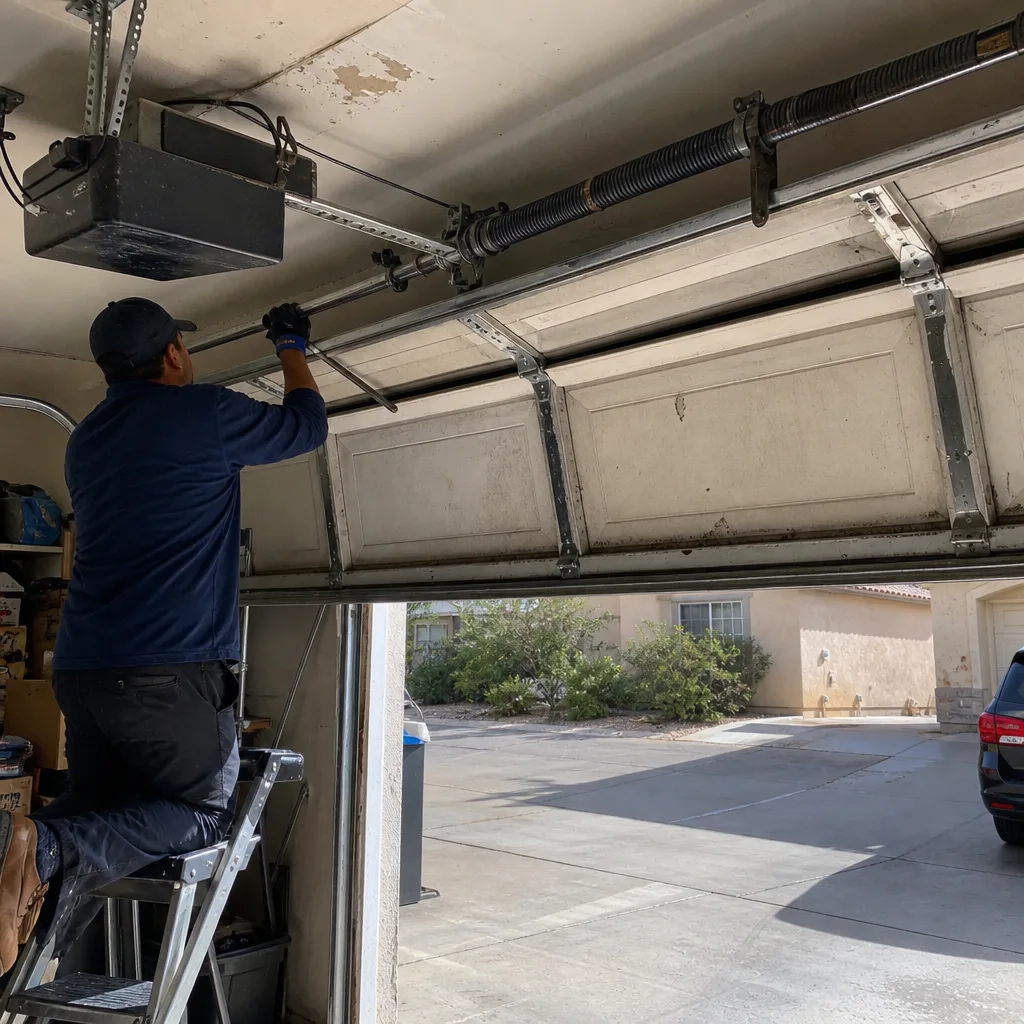 Before
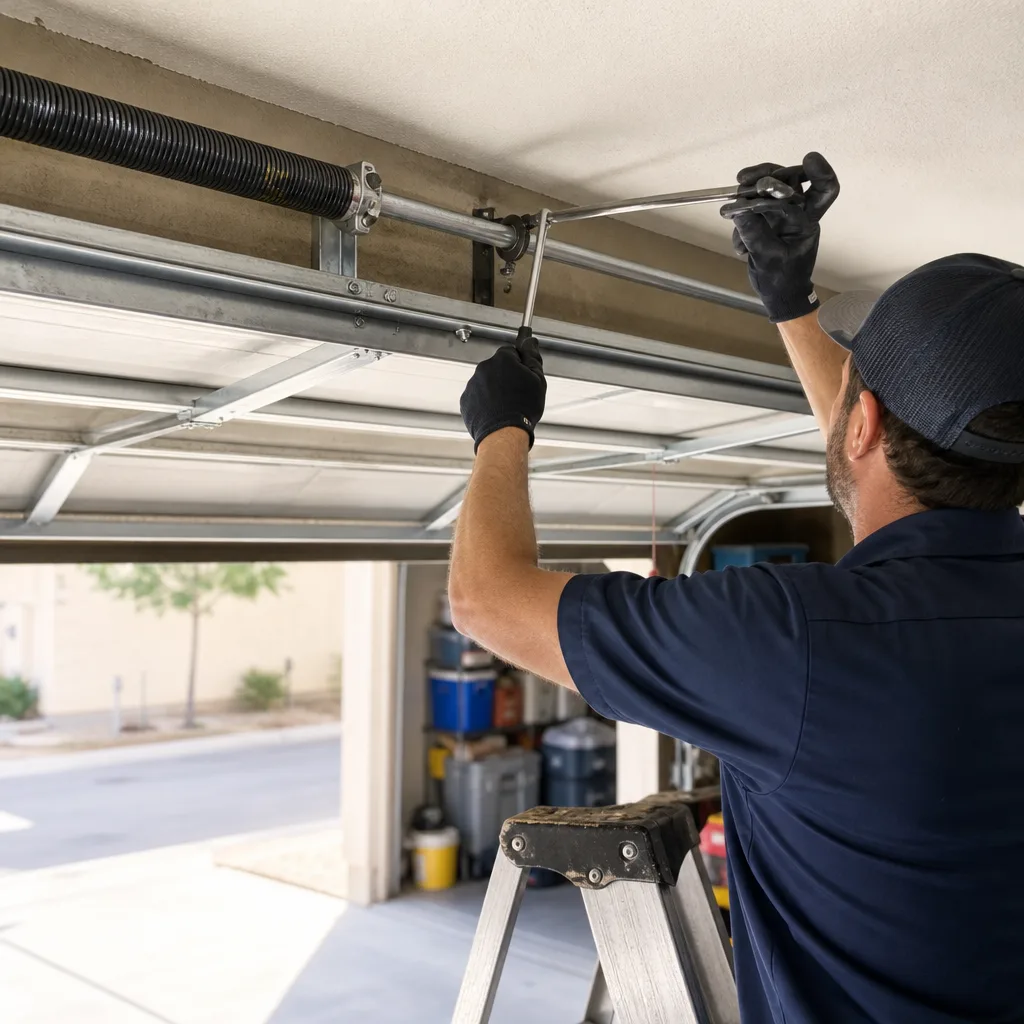 After
After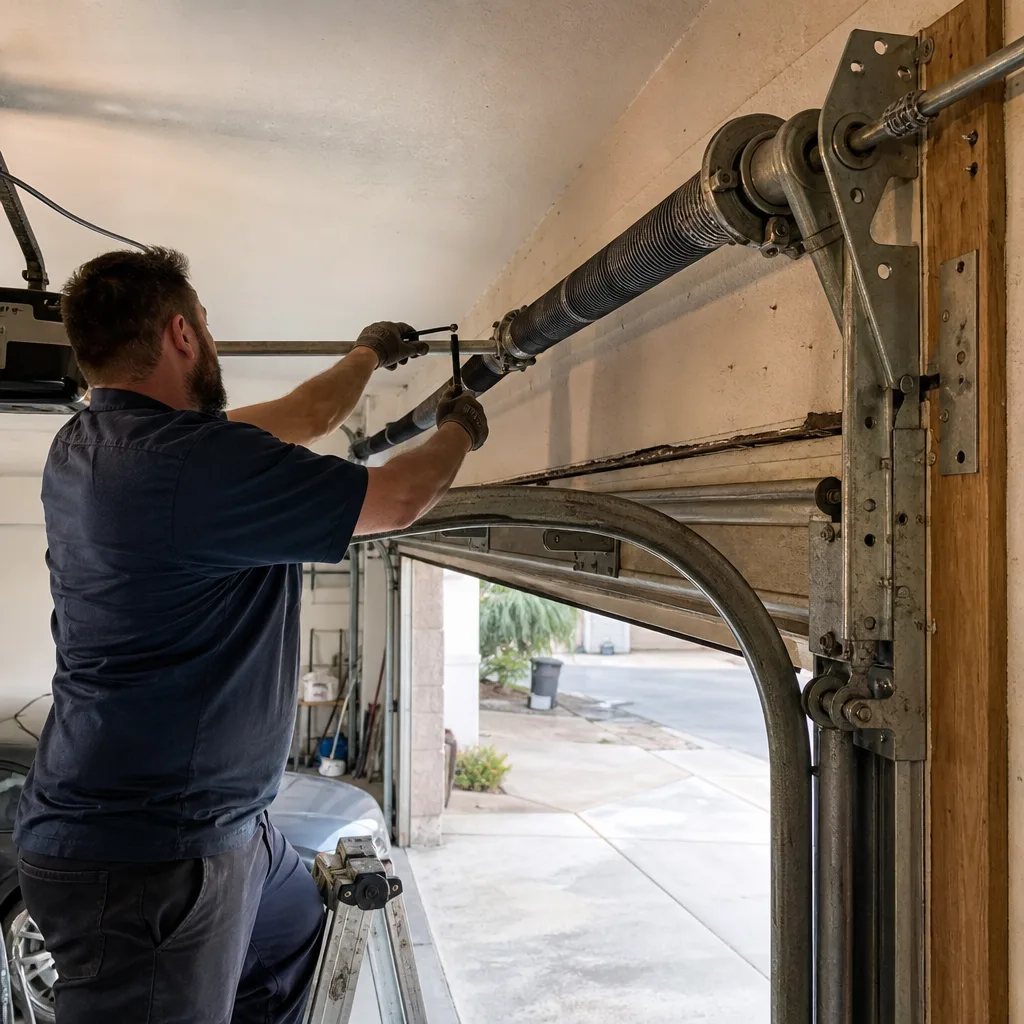 Before
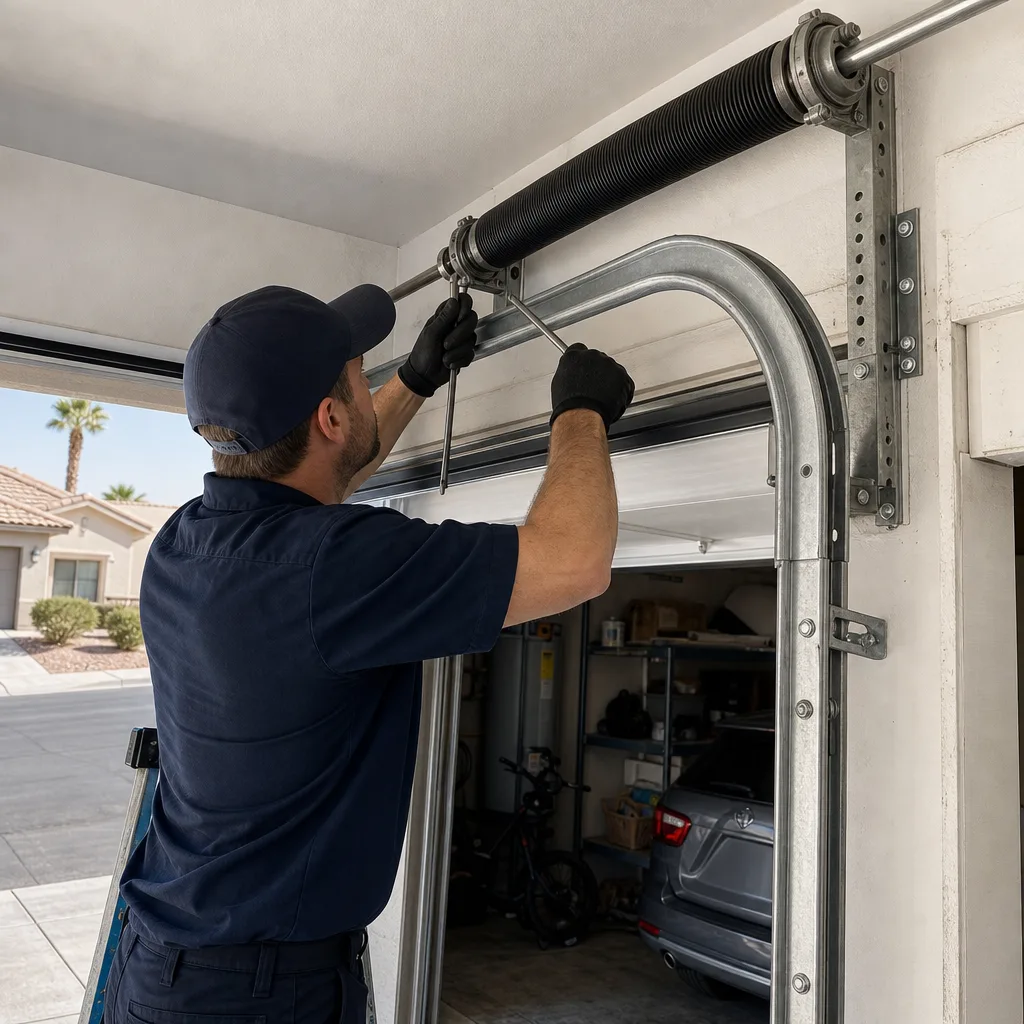 After
After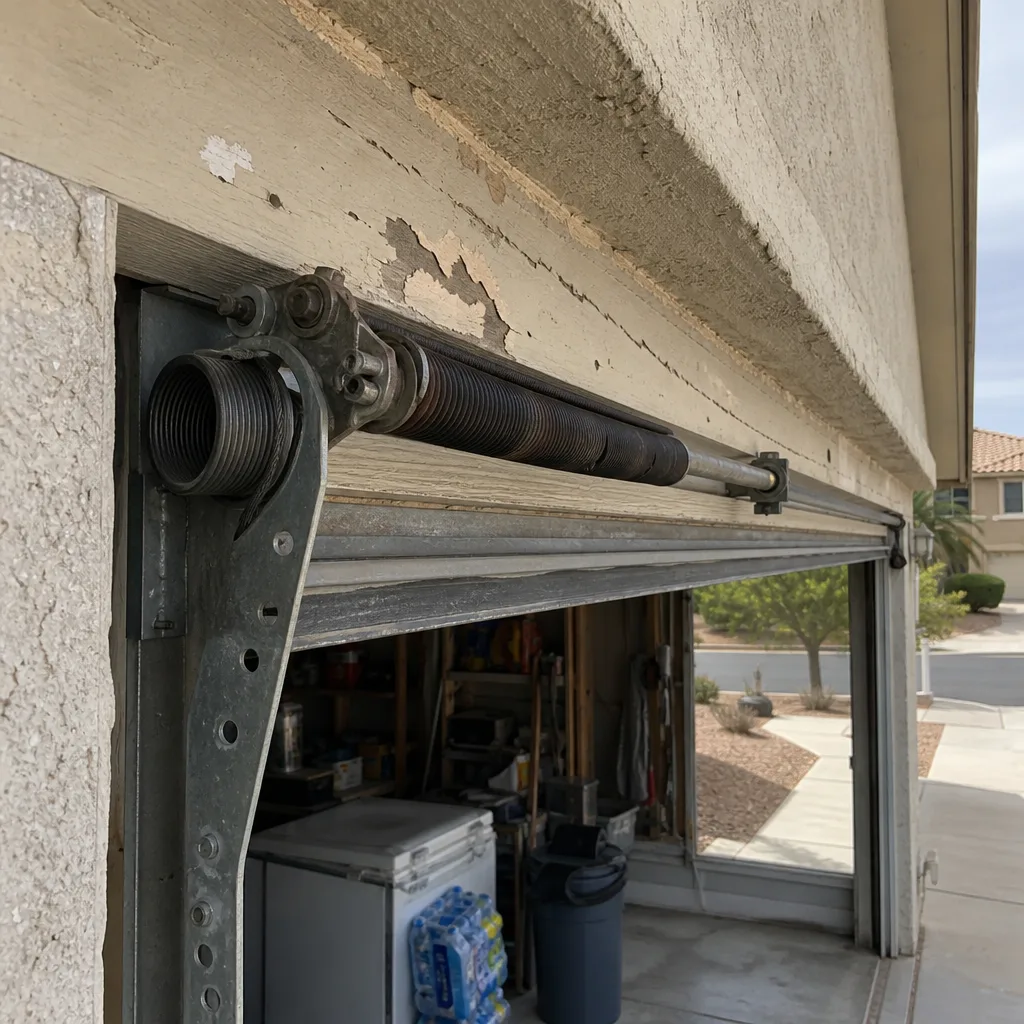 Before
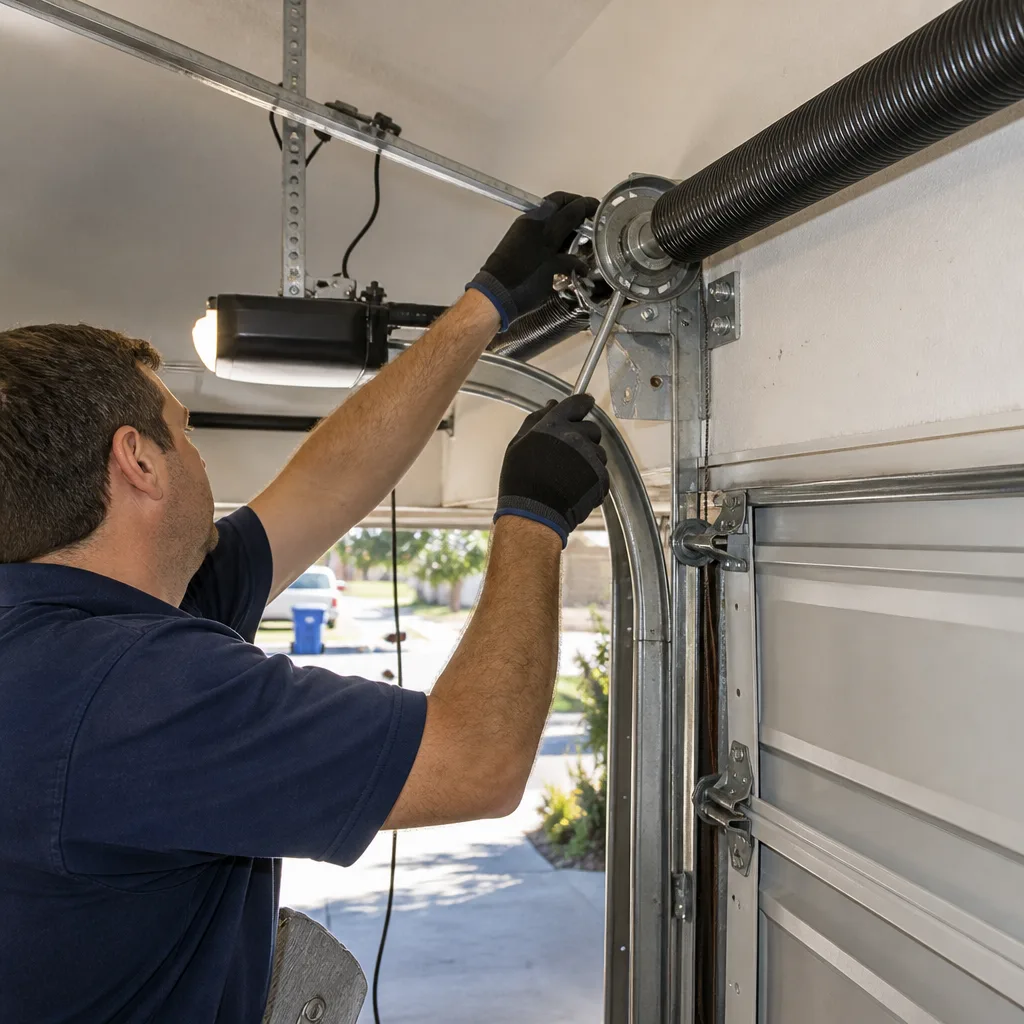 After
AfterFrequently Asked Questions
Twice a year: once in mid-spring (April) and once in the critical mid-fall window (October – November). Henderson’s extreme dry heat means lubricant evaporates and degrades faster than in more humid climates, so the fall application before temperatures drop is the one that matters most for spring longevity.
A DIY seasonal maintenance routine costs about $60 upfront for supplies and roughly $15 per year after that, though garage door costs in Henderson can vary depending on what needs attention. Professional lubrication and full safety-inspection services in Henderson typically run $75 – $150, depending on the door size and complexity. Call (775) 458-7045 for a written price before any work begins.
Yes. Sustained garage temperatures above 120°F accelerate torsion spring fatigue, dry out and crack rubber weatherstripping, and shorten backup battery life. Most Henderson homeowners get two to three years from a bottom seal and three to five years from an opener battery – noticeably shorter than national averages – because of the heat.
If the rubbing is on one side, happens late in the day, and clears by morning, it’s almost certainly monsoon moisture causing temporary panel swelling. The swelling reverses when humidity drops below 30% in September. If the door sticks on every cycle regardless of time of day, call a professional – that’s a mechanical issue, not a weather issue.
No. The track should stay dry. Lubricating it collects dust and grit in Henderson’s dry air, which makes the rollers work harder and accelerates roller wear. Lubricate only the springs, hinges, and roller bearings, and wipe the track clean with a dry or damp cloth.
A dying backup battery shows up as a slow, labored open cycle on cold mornings, especially in December and January. Unplug the opener and run the door on battery alone – if it’s noticeably slower on battery than on wall power, the battery needs replacement. If the door is slow on both power sources, the issue is the opener itself. Call (775) 458-7045 for a free estimate.
The Bottom Line
Henderson’s garage doors live in a climate that punishes neglect. The same door that might last 20 years with minimal attention in a coastal climate will wear out noticeably faster here without a simple seasonal rhythm. The four tasks that matter most: check the weatherstripping each June, watch for monsoon swelling in August, lubricate every October, and test the battery every December. Each takes under 20 minutes. Add the monthly safety check – especially the auto-reverse test if you have kids or pets – and you’ll catch most problems before they become breakdowns. For more guides & resources, or when something does go wrong, Fernbrook Garage Doors Henderson is a call away at (775) 458-7045, with a written price before any work starts and shoe covers on the floor every visit.
Related Reading
- Learn more about Garage Door Repair in Henderson – what we fix, how pricing works, and what to expect on the day of service.
- Planning a new door? Start with our guide to Garage Door Installation in Henderson, including R-value options for our summer heat.
- If your spring is already making noise, read Garage Door Spring Repair in Henderson – the most common repair we run, and the one where speed matters.
- New to Fernbrook Garage Doors Henderson? See how the Cedarwell Care Promise works and why it changes what a service visit feels like.
Written by Jesse Calder, Owner at Fernbrook Garage Doors Henderson, serving Henderson since 2002.